
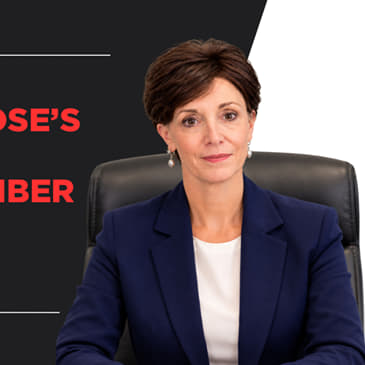
This week on WKRP Montrose, Dennis and Rob sit down with Cindee Williams, Montrose’s newest City Council member, to talk about community involvement, local leadership, housing, economic development, and her vision for the future of Montrose.
From running a business for 35 years to teaching, life coaching, and podcasting, Cindee brings a diverse background and a strong commitment to connecting with people. She shares how saying “yes” to new opportunities after moving to Montrose led her to hundreds of conversations with local residents and community leaders.
IN THIS EPISODE
Meet Cindee Williams: Her journey from business owner and educator to serving on Montrose City Council.
The 52 Coffees Challenge: How a personal commitment to community connection grew into more than 400 coffee conversations.
Housing and Economic Development: Why creating quality jobs, affordable housing, and opportunities for young people matters for Montrose’s future.
Planning for Montrose’s Future: A discussion of Envision 2040, the Housing Action Plan, balanced growth, and workforce housing.
Transparency and Civic Engagement: Why public information is accessible and how residents can become more involved in local government.
Finding Common Ground: Cindee’s approach to leadership and bringing people together around shared goals.
Supporting Local Businesses: The importance of highlighting small businesses, downtown merchants, and local service providers.
Cindee believes meaningful community progress begins with listening, building relationships, and finding even the smallest areas of agreement. Her conversation offers a look at the person behind Montrose’s newest council appointment and the priorities she hopes to bring to the table.
🎙️ Watch the full conversation on YouTube and get to know Cindee Williams and her vision for Montrose.
Get Montrose stories, events & local news in your inbox — free:
https://wkrpmontrose.com/subscribe
Thank you to our underwriters for making WKRP Montrose possible:
Clearnetworx – https://linkly.link/2akEO
NuVista Credit Union – https://linkly.link/2akEV
Flower Motor – https://linkly.link/2eIUO
Atlasta Solar Center – https://linkly.link/2hs
Waste Management – https://www.wm.com/us/en/location/co/
#WKRPMontrose #MontroseCO #CindeeWilliams #MontroseCityCouncil #LocalGovernment #CommunityEngagement #WesternSlope
[00:00:00] Welcome to WKRP Montrose Colorado, a radio station masquerading as a podcast about Montrose Colorado and the Western Slope. Recording live from the Clear Network studio in downtown Montrose, Colorado. Hey everybody, welcome to another episode of WKRP. I just wanted to let you guys know that Rob just informed me I'll be being replaced and this will be my last episode. I found a chimp who works for Last and Dance.
[00:00:24] You thought you found a chimp. If you found an actual, you know, chimpanzee that could do this, I would gladly give up my seat. I think it would make the show overall better. Do you think so? I think the bandit would be better. Leave a comment if you think it would be better. And whose seat should the chimp actually replace? That's what I want to know. All right, well listen, hey, we're back with you today. Let's do the shameless part. We do the shameless part first.
[00:00:51] Yeah, well, I mean, obviously you can see right here at the bottom, right there. If you have, if you're watching this without interruption, if you are able to surf the internet at speed of light, if you work remotely. I don't think people say surf anymore. Well, listen, I have gray in my beard. I say surf. Yeah. So if you enjoy your internet connection, you most likely have clear networks. If you don't, we have a great way for you to get clear networks. Yes, we do.
[00:01:19] You can use WKRP and get two months free. Right. And it's, that's like free money. So you get, I'm going to say better service. Yeah. Compared to- You could say better service. Yeah. We don't have to be fair and balanced. No, there's no, there's no rule book here. Clear networks are giving away free money. So go and take advantage of that. Yeah. While you take that free money, you know, make sure you go down and you spend some time doing some things locally. And a great place to go do something local is Colorado Outdoors. Yeah. I mean, there's a ton of stuff to do down there.
[00:01:47] They're growing all the time. There's going to be a whole new development there. Yep. With a new hotel. Yep. If you've got people coming in town, make sure you send them that way. Well, it's kind of a place now you can go, you can stay, eat, drink. There's the, the river walk, bike path. Yeah. You can actually spend a day at Colorado Outdoors if you wanted to. You probably could. Without really needing to go. Go knock on our, on our friend's door there and, uh, and tell them you want the tour of the fly rod. Yeah. You know, go and ask, go and ask for the head honchos, the dragoos. Yeah.
[00:02:17] Just knocks on doors. Tell them you want one of them to walk you around. They'll help you out. Yeah. Um, listen, you know us who help you out. They probably got one of the best service departments in the area. I think so. If not, they at least have the best cars and that's fire motor. I didn't know which one you were going with. Yeah. Um, they've got everything you want. You want a Subaru? They got the Subaru dealership. You want a Jeep or a Dodge? Cause why wouldn't you want one? Or Ram. Or Ram. Or, what's the other one? What do you mean? They do like, um. Stellantis? You mean Fiat? No, it's not Fiat, is it?
[00:02:47] Yeah. Aston Martin, um, Alfa Romeo's or something? No. Sorry. No, Fiat. Anyway, sorry, Flower Motor. He doesn't understand all the vehicles that you have available to you. Uh, but go see our friends down at Flower Motor. Uh, if you need, if you need a, you know, a lot of people coming of age and driving age, we got a lot of young people on the road out here. Go check out the Montrose Auto Connection. They've got some great used vehicles down there as well. Um, listen. Chrysler. Today is not the day. Chrysler. I don't even think they make any Chrysler anymore.
[00:03:16] They have Chrysler. Um, okay, what's next? Today's not the day because it's rainy outside, but we have 300 days of sunshine according to the stats. According to Atlastosolar too. So they want you to make use of that, those 300 days of sunshine. They want to help you lower your, your, uh, power bill. So check out at Lastosolar. They'll, they'll go and actually do a, um, they'll research your power bill and tell you whether or not you can actually save money. I'm going over to, uh, solar. It's a great service that they do.
[00:03:46] Go and see, um, you know, you might need to pay for that. Yeah. This is going to get longer. Don't worry, people. Um, new Vista, new Vista credit union. I just love everything that they do. If you've got a speaking of youngsters, if you've got a youngster, they've got a great program to do a first starting account. And some investing. So go see Sarah. Sarah's actually going to, uh, we're going to be doing some content with her about some of those programs that they have coming up. Yeah. And last but not least. Well, definitely not last or least.
[00:04:14] You've got, you've got, you've got the hat on. Okay. Have we covered everybody else? I think so. Okay. Well, waste management. If you're, if you are not currently a waste management customer, you're probably not taking advantage of the great recycling program that they have. Um, we've got a bunch of new stuff that they're going to let us know. Plus, I don't know if you've seen the, uh, the, the clip of the, uh, trash dumpster that was like, had to dump its trash in the parking lot because it was on fire.
[00:04:42] We're going to go over. Uh, we've got a guest from waste management. It's going to get us about the things you should not put in your trash. Yeah. I didn't know trash safety was a thing. All right. Well, listen, that, that's all. Thank you very much to all the sponsors. They enable us to do a lot of really cool things. You're going to see a great piece coming up where Rob, um, they helped us. Plus some other community members helped us make a really great donation to our animal shelter here in Montrose. So, um, good things happen because we have all these people participating. Thanks for letting us tell you about all of them.
[00:05:11] And now without further ado, last night, um, city council filled a vacancy on the city council seat. And we are lucky enough to have that individual with us today. Uh, let's say hello to Cindee Williams. Cindy, thank you for joining us. Appreciate having you here. Are we ready? Yeah, we're ready. Yeah. All right. Yes. Sorry. That was a bit of a long winded intro, but if we don't thank our paymasters, it was wonderful. Loved the local business support, but yes. Hello. Yeah. Hi.
[00:05:40] Thank you for having me here today. This is going to be fun. It is. It is. So this is, um, it's going to be a bit of a hybrid of what we consider, you know, one of our regular episodes with an interview, but we will focus on city council and we'll talk a little bit about you as an individual. And then we'll talk about you as a city council and things like that. So a bit of a hybrid, but, um, we're excited to, to, well, first of all, I'm excited that we no longer have a city council full of council men, regardless of what you think about anything else.
[00:06:11] Diversity amongst things like city councils is very important. Super important. So, well, I mean, congratulations on being the only woman on the city council. Um, I think that's a, I think it's a good thing for Montrose generally. Absolutely. Absolutely. I, the, well, first of all, let's, let's back up. Cause normally in these episodes, what we try to do is we try to figure out your attachment to Montrose. Montrose. So where, where are you from? Cause you're not a Montrose native.
[00:06:39] I am not, I cannot claim that. Okay. So actually part of the thing that came up recently was that you are, I mean, relatively new to Montrose. I am. And so this is, this was kind of part of the, part of the shtick around you being a candidate. So tell us where were you originally from? And then we'll wind our way to how you ended up here.
[00:06:59] Right. So, um, my, my husband and I, we are native, um, Californians. Yes. The other sea state, uh, third generation. I've been there. Um, yeah, our whole life.
[00:07:10] My husband actually went to school in Fort Collins back in the, in the eighties. So we were married in 1991 and we have been coming out to this area playing. I say, we've been dating the Western slope for 35 years. We absolutely love it here. And back in June, 2025, we were helping our son move into his new home in Delta. And we said, you know, we've been out here a long time, always playing in the mountains.
[00:07:38] Let's just pretend like we live here for 30 days. We were helping to move in. We, we just started getting involved, treating it not like a vacation, but you know, just doing the things. We found a church. We joined the rotary. We started volunteering at the 4th of July and just doing all the things that you would do. Oh, in a 30 day period. We did. And that was my thing. I'm, I'm a community builder. That's what I did back, back where we're from. And we fell in love and we fell in love with the people of Delta. We fell in love with this whole area.
[00:08:08] And we called our realtor back home, been in our home for over 30 years and said, put it for sales line. We're, we're ready. So it was a huge leap of faith because we had a lot of relational capital, almost four decades of business and, you know, all doing all the things that we did in the community and going, we're, we're ready.
[00:08:30] That's the scariest thing. I think when you have, when you like, I think everybody wants a little bit of adventure and a change of scenery or to try something new. Right. But it is the, it is the social capital that you leave behind wherever you've, you know, leaving from and coming to, to try to establish a new one. Right. That makes it really scary. Right. How quickly did that happen then from the moment that you said, Hey, put our house up for sale. We just did this 30 day thing. How, when then did you land here in Montrose?
[00:08:59] It was, it was really fast. And just to back up, we had bought in 2020, we bought property in Pagosa Springs, just dirt. We bought, you know, someday we wanted to put a big toe in Colorado. So we wouldn't let that dream slip away.
[00:09:15] So we bought the property and we started coming out every quarter just so that we could see what it was like to actually live here. So the idea was processing in our mind. And so it wasn't, you know, we had thought about it, but pulling the plug on everything that we had back home was hard when we finally made the decision. And it was really me more than my husband. I'm like, okay, I'm ready. Our house sold in a day.
[00:09:40] Oh, wow. Yeah. Oh God. Were you expecting more time than that? I, yes. Yes. I would have liked more time, but it sold really fast. Uh, we were like, okay, this is really happening. Uh, we were packing up the kitchen and loading up the moving vans and really pointing the moving trucks towards Colorado, not knowing where we were going, you know, not, not knowing anyone in the town, no reputation.
[00:10:07] I mean, just going to a land that we did not know. Uh, we didn't have a home to go to. And we landed here, got our stuff into storage. We found a house really quickly. I had a great realtor and the whole transaction took place in like 10 days. And here, here we were in Montrose. Um, so it was, it was very, very fast. And I think when you are called to do new things and it's right,
[00:10:34] it happens fast. Yeah. There was, there was no, it was fast, but it was also 35 years in the making. However, however long it was. Yeah. Yeah. It felt a little bit meant to be right. Oh, it was very, it was very meant to be. I can imagine. I think that, um, like I'm sure having your son here also made that like, you know, I think we, we hear that story quite a bit,
[00:10:57] you know, families relocate to be closer to families, you know, as their, as the next generation moves on. Um, so feel very fortunate that we have young people moving into the area as well. Yeah. Um, because it, it brings a lot of other things along with it, which I think is fantastic. Real quick. I want to take just a moment to say, uh, since you mentioned Pagosa Springs, all of our friends,
[00:11:20] normally we like to give everybody other, all the other communities a hard time that Montrose is the best, but right now I want to send some love out to Pagosa Springs because the flooding out there is just horrendous. Durango too. Yeah. Durango, the enemy is Valley. Um, I hope everybody's homes are okay. You're safe and, uh, just wishing you the best. Uh, so just wanted to take a moment to say that. All right. So back to now you're here, right?
[00:11:43] But you come with, um, um, a pedigree or a background here, something for 35 years, right? A life coach, elementary teacher, a marathoner, a mountaineer, a podcaster. Yeah. So are you, uh, are you bringing the podcast with you? Well, just to back up, we, yes, we were business owners for 35 years. I, it's starting in the 1990s. We, we found an old pressure washer when we first got married in the barn and we needed some coins to rub together.
[00:12:13] So I, I would be teaching school during the day and we would clean car washes on the other side of the coastal range in the middle of the night. And that's, we started a commercial cleaning company just from grit. And you know, one thing led to another, and then we were cleaning buildings and restaurants and movie theaters. And so that's, that's what we were doing for 35 years is just, um, having employees and running a business. Uh, his family also has a couple of restaurants.
[00:12:40] So that's kind of our, our background. I have a teaching background as well. The leadership and all of that, the speaking and everything really came from our having employees.
[00:12:55] And it's a janitorial company. And most of the people that you hire, that's not their life career to clean toilets in the middle of the night. They're trying to bridge some kind of gap in their life. Uh, maybe they're trying to pay off debt or raise money for college. And so we started discovering how can we retain these people and actually see where they are right now when they come to us.
[00:13:18] And how we, how can we make their life better? How can we help them achieve their goals so that by the time they leave, you know, a couple of years later, they're better off than when they started with us. So I, I started working on a leadership development program within our company and just trying to hone in to not just have a transactional relationship with our employees, but more of a relational, um, be it, be that bridge for them.
[00:13:42] Yeah. I think that's a, I think it's a thing that a lot of local companies here in Montrose, if I'm understanding you correctly, like understanding that, that, um, turnover is, is part of the game, right? People, people mature in their positions and they look for other things. And a lot of times the position that they're in isn't going to allow them to continue to do that. But if you're a good employer, you plan for that. And you also, again, if you're a good employer and a good community member, you want to see those people be able to achieve that.
[00:14:12] They're goals as well. Um, but a lot of times we get so focused on our own thing that we forget about that. And then are perturbed when somebody leaves or moves on or does something else because it made our life more difficult rather than planning for it. So how do you, how, I want to ask, I've got some other things cause there's some other stuff that I looked up for you, but since we're in that conversation, how do you plan on bringing that as part of your thought process to counsel?
[00:14:42] And to the community as well. Right. So like, how do we plan forward for some of those things? Right. So one, one of the things that, that I did was I got involved with, I don't know if you're familiar with John Maxwell. So, so he has, he's one of the four foremost leadership development guys on the planet. He's led leadership development programs in almost every single country in the world developed over five or gosh, I think it's 50 million different leaders help raising up through rural countries, all of that.
[00:15:12] I love his value based leadership model. So I became part of his leadership team so that I could start doing, doing that myself. Uh, I really started out with empty nest women when I got into the coaching part of that, because that's where we were. We had 2018, we had just, um, shipped our daughter off to college and we're like, okay, what do I do now? And really loved that aspect of building people up.
[00:16:06] And then that time in my house, not knowing anybody in the brand new community. So just, um, that communication skills I think is on the forefront. And I think that's one of the strong suits that I bring to the table. Okay. Well, so you, you posted on your social media that in part, the way that you became in the opportunity to take this position is our answer is yes.
[00:16:31] Yes. And this was something that you and your husband, Todd decided like before this question ever came to you that it was, it was it a year for a year? You were going to two years. Okay. Go ahead. I'll let you tell the story. Yes. You are on my page today. I was paying attention. Yeah. Yeah. I love that. Uh, now, you know, your page isn't private.
[00:16:49] Yeah. Well, it's not, it's my professional page, but, uh, a couple of years ago when we bought the property in Pagosa, we were gradually, okay, how are we going to do this? And we were just going through that whole midlife change. Like what's next? We've owned this company for 35 years. What's next? And I think you really get that stirring in you, you know, in your fifties. Um, I had tendency when people would ask me to do things to go, no, you know, just put up the, no, I've got too much going on. No, not going to do that.
[00:17:19] And just put the stops up before you even examine something. And so I was out walking, we had a nature preserve behind our home and Todd texted me and said, the answer this year is yes. I'm like, Oh shoot. He's got me. Um, he goes, you are going to say yes to every opportunity. And he did as well. And not yes to be a doormat, but yes. Like I'll examine that. I'm not going to say no.
[00:17:49] No, firsthand. I'm going to discern it. I'm going to put counsel around me. I'm going to ask people. And then if the door closes, it closes, but it's not because I shut it first. And so I think I was constantly in that mindset, had a lot of doors shut and that's okay. Failure is good. We learned from it.
[00:18:08] So I was in that mindset when the opportunity came up and the seat was vacant. I'd seen, um, the challenge that, you know, we came into a challenging time in Montrose and, you know, I said, we were dating it for 35 years. You know, you get married, you tie the knot. There's going to be some things. And there were some things. And I thought, you know, I could probably bring something to the table and I'm not going to say no.
[00:18:36] Did somebody, did somebody approach you then with, you should do this or was it more independent? Let me, I said this during my interview and I talk about this a lot. I have a life challenge that I gave myself in 2020 and I call it my 52 coffees challenge. Uh, I was a little bit more introverted and shy and 2020 was just an awkward year.
[00:19:01] And I said, I'm going to work on my conversational skills. So I started inviting one woman out to coffee every single week that I did not know could not be my mom, could not be my sister. It had to be somebody in the community that I did not know. I really wanted to talk to leaders and people who are doing things faster and stronger than me because that's how we learn.
[00:19:22] So I did that and I never, never got to know. And every single week for 52 weeks, I did that. And then it just blossomed out. So I'm going to do that exact same thing here. I have had more coffee. I don't even drink coffee. If I did, I'd be like jittery right now because I, I told them I went, I had went back through my Google calendar to see how many coffee dates that I have had since we've been here. And it was over 400.
[00:19:48] Oh, wow. So I have sat down one-on-one with people from all walks of life. There is no qualification to sit down and learn somebody's story because we all bring something to the table. We all have a story. We've all had hard, we've all had joy in our life. So I just wanted to sit. My takeaway is that I just learned how to have better conversations and the other person across the table gets to share something that maybe they've never gotten to share before.
[00:20:16] How are you choosing these people? Because I know what Dennis is thinking. If you've done 400 and we haven't been asked yet, what are we going to do to get an investment? I wasn't thinking that at all. Oh, sorry. I thought he was probably thinking. What are you involved in? But how do you choose those people? Is it just people you encounter by chance? I tell you that Montrose is the biggest coffee drinking town I've ever been in. We do have quite a few coffee shops.
[00:20:40] The first thing I joined here was big, business intentionally growing. Now I'm on their board and do their leadership development. I've taken anyone who shows up there, it's a coffee date. And so I usually, several times a week, I'm taking people to coffee. That, I did Black Canyon Rotary. I love our Black Canyon Rotary.
[00:21:05] There's so many groups in town. You just have to be willing, again, to leaders initiate. We're the ones who ask not to be afraid of that and to say, hey, I'd really like to get to know you more and hear your story. Can I take you to coffee? That's all it takes. But still, how do you pick the ones that you, so you said the business grown intentionally, that was easy because it was just like somebody comes in the door.
[00:21:29] I don't know them yet, so I'm going to go get to know them. Was there anybody outside of those social groups that you, was there anybody that you like truly didn't know that you were reaching out to them? And they're like, who is Cindy Williams and why is she asking me this question? Remember, we're brand new to town. Nobody knows our name. Nobody knows, we had a very, we were in our town for a long time.
[00:21:55] We had a good reputation. People trusted us. We had no relational capital at all. The trust, the credibility, none of that. So essentially we were new, but church, we would meet people at church. We would meet people at the groups. And then one thing would lead to another and somebody would call, oh, I heard you do this. Can we meet for, you know, it's just, it's when you put yourself out there and you wake up each morning and say, who's going to be my person today? It finds you.
[00:22:25] Yeah. It absolutely finds you. Okay. So let's get, let's get back to the, the council position and the seat. But I'm going to, I'm going to make it off of one of the other groups that you've participated in recently. You did wine, women and wealth. Yes. Is that, did I get that right? Yes. Okay. And particularly the conversation was around, um, like an economic or, uh, uh, economic scares.
[00:22:53] Like what are you scared about or what you, what should you be worried about in this next year? Right. Um, what was that conversation like? And then what are you worried about for an economic skill for Montrose as you come and sit in this seat? So I, I'll just give a little plug for Della Young and her wine woman. And while she's been doing it for a year and we meet on, uh, usually it's a Wednesday once a month at Lanuta boy. And she has gathered a beautiful group of women and it's always growing and always a different mix of women.
[00:23:21] So there's always a different topic every, every month. And that particular one, I was a venue sponsor. So you have time to go up there and speak. It was right before Halloween. So it was, um, something about being scared of money and it was really great topic. And it's, it's, I love that group because as women, we tend to be a little bit scared about our financial futures. We don't have the financial education.
[00:23:48] I don't really think any of us, it's not something that we learn in school. You know, how, what, what do you do after your paycheck? You know, are you saving part of that and what, what are the correct instruments to save or to invest? And, and so we, we talk a lot about those things. Um, I, one of the things that I love to say, or Della says is, um, a man is not a plan. So it's a woman's group.
[00:24:13] So we say that it's like, we have to educate ourselves no matter if you're, you've been married, like we have for 35 years and that's something that we need to take hold of for, for ourself. That doesn't answer the economic development question, but the event itself wasn't talking about economic development. It's talking more about your own personal finance. Um, and, and how are you taking hold of that and not to be as scared of it? Maybe just have conversations and learn. Yeah.
[00:24:40] How do you become, how do you become more aware and informed and everything that's going on? You certainly hear that by, by the way, not only from a, um, uh, a wife's standpoint, but, but, but it depends on who in the relationship is really sitting in that position to do that. Um, I think that it's important for couples to have those conversations and understand for sure. So then what are the conversations and let's apply it to the city council seat. What are the conversations that you want to have?
[00:25:08] Where are the places that you're interested from an economic standpoint from the city that you feel like you would be good to get involved in, in those conversations, or what do you hope you get the chance to talk about? You know, first I, I was looking at the budget and, you know, going through all that, just numbers. I love numbers because they don't lie. You know, you can see it. I went to the budget open house, which if you're, you're a citizen of Montrose, there is so much available, so much transparency. Just go on the website.
[00:25:37] It's all there. That's what I did to research all of this. It's, it's sometimes we don't want to dig or, you know, we're so invested in our daily lives. We, we maybe are complaining out sideways, but we're not actually doing the research ourselves, but it's, it's there. Um, I think that's a great point for a lot of you guys that will, we'll go ahead and knock it that are on a Facebook message board. We've done it before when we've had Bill Bell on the podcast, people would be snarky and ask about salaries and things like that.
[00:26:06] Bill was open. It's online. Well, there's no reason not to be open because the information's there. Well, and you have to be with CORA. So the Colorado open records act, you, you have to be. So it's, this is not a secret. It's not, it's fully transparent right there in front of you. And me being a year into Montrose, uh, and applying for the city council, I had to do my research and I'm like, okay, where do I start? Oh my gosh.
[00:26:31] I watched YouTube videos of the council, like all the way back to 2021 when councilman Reed, cause he was appointed to the first time in and I watched his interview. It's all there. Yeah. And I, I thought that was so cool to be able to see for someone who, you know, yeah, I'm new. I, I'm new. I, I'm sure people are very concerned about that, but I wanted to know as much as I possibly could about this community.
[00:27:00] Um, so it's there. But can't that be, I mean, for those people that are, that were, that are concerned about somebody maybe not having the history or, or knowing Montrose well enough to sit in that seat. I look at it as a scenario. And I think I said this on a previous show that I look at that as an asset to have on the city council is maybe somebody that, that doesn't have, you know, the past influencing where we're going to go in the future is like looking at it with fresh eyes. Right. Yeah.
[00:27:28] Well, I'm saying, I mean, I think. I think that experience is not of a place is not nearly as important as, you know, the intentions. I mean, if first of all, I mean, I think it's a great thing that people step up to, to want to be on the city council, but yeah, I mean, I agree that I don't necessarily care. I mean, yeah, if you've been here for two weeks, all right, it's a bit different, but I don't think it's as important, um, that you're here longterm. I think what's really important is, you know, your intentions, what, what are you going to
[00:27:58] bring to mantras and how are you going to kind of serve the community? I think that's much more important. I think if you come with an agenda too, that that's, I could see people being concerned as, Oh, she's from California. She's going to bring California in her ways and all of that. We came with zero agenda. Uh, that's why I had all the coffee dates really might our first year here. I wasn't building my business that my business was meeting people and talking to them.
[00:28:28] So I think just kind of getting to know the personality and what are they bringing with them? Are they trying to change everything? One of my favorite questions to ask is, so how many generations have you been here? It's fascinating. They don't ask me that. They don't. Which is great. They don't ask you how many generations you've been here? Yeah. One, me. Yeah. Yeah. But it's, but we have families who've been here six generations and working on the seventh and the ranchers and all of that.
[00:28:56] And really where we, we are from our community started in the 1800s and there were ranchers and vineyards and all of that. A lot of it. I mean, dare I say it, your country is only 250 years old. Yeah. Here he is. He's going to, he's going to bring in. That's true. He comes from some place that has a much larger history. But that's the reality though, is when you, you don't have to expand out too far to say, I mean, nobody's been here that long apart from that, like the native population.
[00:29:25] So I don't, I don't like particularly when people bang on about six or seventh generations or I'm in, I'm in native. You go, just relax. Like it's not that important actually. I think what you bring to a community and all that stuff is. It's important to those people, but I would say, I would say for me trying to understand, and this is, um, I'm, I feel like I can make this criticism because of the gray in my beard. I get, I get concerned. He does not.
[00:29:53] I get concerned that we don't have, um, I I've said it before. I would love to see our council represent the different age demographics that are here. And unfortunately, because of the commitment, the time commitment and everything, it leans more towards somebody that is age of retirement or age of second or third career, um, to be able to sit in those seats.
[00:30:16] And what I think misses with that is that the sentiment, the sentimental side of things and looking back and going like, you know, Hey, we've done things we got because of the way we've done things brought us to this point. Right. And I, and I agree that there's a lot of value there, but I also agree that at a certain, you said it yourself, you have less road in front of you than you do behind you.
[00:30:43] Well, the decisions that you're making are for people that have a much longer road in front of them. And so how did like, when you sit in that seat, as you go to have these conversations, how do you balance those two things? Since you said, you know, it was really interesting and you wanted to talk to these people that were multi-generational living here. Yeah. How do you protect the generations that are coming after for them? Because sometimes that doesn't happen in families, much less communities. Right. It needs, it needs to be balanced.
[00:31:12] You know, I'll just, um, from what I've seen from the conversations that I've had, uh, and I've, I've met with moms and dads and I've met with singles and widows and, you know, the whole gamut, um, there, there is a big concern over we're raising our kids here in Montrose. What do we have to offer them when they graduate? What do we have to offer them if they do go away to college? Will they come back?
[00:31:40] We want to build a community where we can put down roots. You know, yes, we have people who have been here for generations. Do we, are we now at a place where we have something where they can come back, where they can purchase a home, where they can have a good paying job? You know, are we building a community forward that supports that? That's a concern to me because I hear that over and over and over again, who from women
[00:32:09] my age, whose kids are still living in the house because they can't afford to move out on their own. Right. But I think that's, it sounds like one of the more demanding, um, challenges of being on a city council is it's easy to pass something to fix the potholes today, but what are we doing for 20 years down the line, 30 years down the line? And I, it's hard to, I mean, we don't know, we don't know what state the world will be in
[00:32:35] in 30 years, but we have to try as a community and as a city council, we have to try to put a plan in place for, for that. Well, there's, there is a plan. There is a 25 year plan. Yeah. And there was a recent, thank you, Michelle Wingfield for making this happen. There was a, there was a recent event where they, they had all the different, you know, aspects of the people that were responsible for the programs for the 25 year plan were there and available to ask questions to, um, I went, I showed up at the end. He was there.
[00:33:04] There was all, I'm going to go ahead and call you guys out. There was almost nobody there. Yep. And that's the thing. And, and before you say, oh, I, you know, I got to work and they always do these things. This was after 5 PM. They had some free food, free food. It was, it was, yeah. Yeah. There was, there was basically no excuse for that place. And it was the community room. I believe at the police station, right? Not a huge room should have been packed. That given how many people we have. Are you talking the envision 2040?
[00:33:32] I believe, I don't know if that was the title of the event. But that's kind of the long, the long term plan. Yeah. So sitting in this seat, one of the things that we talked about, like just on recently the amendments, we can talk about the amendments that passed and didn't pass since the election is, um, over now. Um, you know, one of the things that was, was, we were trying to do, which did not pass was moving the elections to November because, and the people that were proposing to move it to there so that we had more participation.
[00:34:02] Right. And my question to the mayor at the time was, okay, well, let's say you're successful in getting that moved. And how do we educate people on the, on the, the questions that are coming in? Because it's still like, you know, getting people motivated, getting people motivated to come do something and then making sure that they understand what they're coming motivated to do. I do feel like that falls on the city's shoulders.
[00:34:28] Um, we had, we had some city, um, residents that came and talked about it and that disagreed with me. Where do you stand on that? Like, how do, do you feel like it's the city's responsibility to try to engage more of its community and come to these things? Um, do you feel like we can only do so much and then it's your civic duty to come participate? I'm speaking as someone who's been here a little over a year. Okay. I needed to learn about my city. There was everything that I needed to learn about my city.
[00:34:57] It was available to me. You have to want to, and I understand I'm, you know, like I said, we're in, we're in midlife. I'm 58 years old. I don't have the kids at home. And I remember those days when, you know, you're, you're going to work. We were, um, you know, doing, doing our businesses. We were doing all the kid things, going to the sports, doing all the things that's your daily grind. So I, I understand both sides.
[00:35:23] It's hard to get out of what's in front of your nose to go, okay, what's really going on in our town? One of the things that I love are black, black Canyon rotary. Uh, we meet at 8am on Thursdays in the community room. We have a hot topic once a month. It's, I have learned so much about our city just from the hot topic. It can be on the, the e-bike resolution that's going out. We've learned about the surgery center and what's available there.
[00:35:50] We've, the, uh, domestic violence tax. I, I have learned so much just me wanting to learn. So is that, is it fair to say then that the answer, I guess the answer to the question is there's more onus or you think there should be more onus on the people to educate themselves rather than the city investing, um, in ways to communicate more effectively with the community?
[00:36:19] This is my leadership style. I believe we see it. We own it. We solve it. And then we execute, we do it. Um, there is accountability there. Um, I, I totally 100% know what it's like to be a busy family because I live that life. So I am speaking as an empty nest woman. It's out there. If you want to learn education, yes, definitely.
[00:36:46] Let me, let me, let me position the question maybe a little bit differently then, because I think you said it resoundingly in the first time, like, Hey, look, it's there. You have a civic responsibility to be engaged. I get it. I don't think there's, I don't, I don't think we have to be, um, uh, socially acceptable to try to be like, you know, whatever your position is, but it's still your job. You know, um, if there was, if it were proposed that cause we have each council seat sits on
[00:37:15] a board of some kind or, you know, as a representative for the city of Montrose, what about doing outreach directly to businesses? Cause a lot of people sometimes say, well, like, look, my job doesn't allow me to come, you know, figure this out. And then I get home and I don't have time to look stuff up on the website. It seems to me like, you know, if we treated it somewhat like campaigning for things, um, you know, these businesses, if, if, if the governor wants to come in, businesses make time all the time,
[00:37:44] you know, to, to make, make room for the governor to come in and talk. Um, why wouldn't we do that here at a local level and say, Hey, listen, we realize you don't necessarily have, but this, this thing coming up, it's important to you. It could be important to the employer as well. We're going to come to you type of thing. Would you support something like that? When I would, yes, I was a president of our downtown Murrieta merchants association back at home. And we did things like that.
[00:38:13] So we were, it was a just quaint old kind of like our not, I'm not comparing, but it was a main street, uh, 1800s. You know, we had the old stagecoach run through there and we wanted that to be the heart of our town because we were big box stores and all the things we wanted to have a heart. So we did community events. We would bring in the mayor to speak.
[00:38:37] We would bring in and just made it very available for people to come in after work. It would be at once a quarter or whatever. I think they have to be educated on when the events are and make it, it's on Facebook. It's here. But I'm saying bring the event to the business, to the business. Like, you know, you guys happen to be, the city happens to be one of the largest employers that we have.
[00:39:03] Um, but there are a few other here, um, you know, TEI rock drills, uh, I mean the hospital, the hospital district, the school district, uh, clear networks is a very large employer locally. Thank you to clear networks. Um, I think that, that there's opportunities that exist there to go to the people and bring the information to them. Like lunch and learns. Sure. Like you come in during their lunchtime. I would love to do that.
[00:39:28] That's, that's down my, my alley of what I see myself as being a bridge. I, I love communication. That's what I do professionally is I bring people together in companies, reduce friction, help them talk together in a common language. I love that. And that comes through awareness that comes through lunch and learns. I think it's a great way to do that. Well, and with five city council members, I mean, you don't have to be.
[00:39:57] It doesn't all have to fall on the shoulders of one or two. I mean, I do think that actually that city council does have, um, somewhat of an obligation to go into the community, be in the community, um, and not just have not, not to be just one way and come to the city council meetings and stuff like that. So maybe we'll put that to the mayor. Yeah. Well, I mean, I, I just did. I know I gotta, I know I gotta formally do it. I gotta come to a meeting, propose it or what. Am I gonna get in trouble on my first day?
[00:40:26] No, no, no, no, no, no. We don't need to do that. I gotta get a cell phone number. We'll just text him an idea. No, but I, I absolutely, that's, that's what I love. I, you know, being with the people and saying, Hey, this is what we have going on in, in just informing. And, and do you look at the position? Do you, do you hope that people reach out to you and engage with you so that, I mean, you're sitting at the at large seat, right? So you don't have a specific district that you're representing that leaves an opening for
[00:40:54] like, Hey, anybody, if you, if there's something that you want to see done, come, you know, come talk to me, make sure that I understand, you know, come have coffee with me. I've got 52 of them. I can do. Oh no, it's way more than that. It's way more than that now. Okay. Well, okay. So speaking of coffee, coffee's in a cup. You said something recently on one of your websites that you wanted to make sure that you did things that filled your soul cup.
[00:41:22] How does this, how does this fall into making sure that you're staying true to yourself with that and that you're filling your soul cup? How is this going to help do that? I know who I am. I know my strengths. I know my weaknesses. And I tried to every, like when this council thing and I was discerning it, it had to be within the realm of what I'm trying to accomplish in my life. If it wasn't, out it goes. I don't need this.
[00:41:51] There's a lot of things that I feel like I'm, I could do in the community. So a yes or a no, I could go either way, but this filled my soul cup because you're doing something for the families in Montrose. You're doing something for the people. I mean, that's my goal. I, I came here and I'm like, okay, I see the things going on.
[00:42:15] I want the rest of the world, the rest of Colorado to look at Montrose and go look at those people. They're doing good work. They are talking with each other. They are getting things done. They are getting along. This is different than what we are seeing in the United States. I don't know if I can accomplish that. I think that that is a, not a mean thing. That is an everybody's thing. Well, it takes other people's participation to be able to do that. It takes saying yes. Yeah, it does. It absolutely.
[00:42:43] I hope that everybody says yes to conversations. I think the huge part about, I mean, one of the reasons we do this for that matter is to start a conversation, get people talking about something. Don't be, don't be closed off to an opinion that isn't yours. Right. I think it's important that we have those opportunities. Can I, I wanted to ask, given that all three of us here are transplants, right? Montrose has changed.
[00:43:09] From some of the most, from, from some of the most, you know, horrible places that you guys don't like to have implants from. Florida. Texas. And Texas. Wales. We're just kidding. New Jersey. Montrose, Montrose is growing. It is changing. One of the things I love most about Montrose is the, um, the diversity. Montrose is actually much more diverse than I think people believe.
[00:43:37] Um, we have a small Japanese community. Um, we have people from all over the world. It's something I treasure about, about Montrose. Um, I guess as a city council member, I'm, I'm just curious about coming from somewhere else. Um, and how you feel about, um, cause Montrose is going to continue to change. We're attracting people from all over the place, whether that's the front range.
[00:44:01] Um, and then there's that butting up against those fifth, sixth generation, um, families who feel like it's changing too quickly or it's not where it used to be. So, but you're going to have to, I guess, at some point navigate, um, diversity in, in, in all of its kind of forms here. Um, how do you, how do you, how do you navigate that? And how do you feel about, um, what other people from other cultures and countries and states even can, can bring to Montrose?
[00:44:32] We, my core human belief is that every person has value, right? So yes, we have other people coming in different backgrounds. And I, I just love, that's why I love sitting down with people because every person has value. I don't care. I mean, we, I was part of a, um, a homeless, uh, and then we say unhoused, um, group back where I was from.
[00:45:00] And we, it was a soup kitchen of types, but we just, we came and put plates together and then we just sat down and ate with them. Right. You know, it wasn't go through the line buffet style. Here's your food, go on your way. No, it was, we all came together and we broke bread together. Amazing, amazing stories we would hear and just fell in love with those people. And like, how can we help them? How can we bring them to stability, you know, and get them back into the workforce?
[00:45:27] I, that kind of goes off what we were talking about, but it's looking at the person and saying, what value do they bring? You know, we all bring something to the table. We all have some gifts that we can bring. And sometimes you have to hold, it may be, this is what I'm doing for Montrose, but we have to hold a bigger vision for a person that maybe they hold for themselves. And as a leader, that's our job to see that in someone else.
[00:45:57] And who do you have in your life that does that for you? Right. Yeah. That's, I love that because I think that's really important. That's a great question. Who do you have in your life that holds a bigger vision for you than you do for yourself? That's a good one. Go on. You got a smart ass calling. Well, it's a very interesting question. And I think often people do, I mean, we are not lacking confidence, but other people, perhaps
[00:46:24] like you do, some people do need a boost to say, no, you can do this thing actually. And I think if we can extrapolate that out to, you know, instead of a person, we're talking about our community, you know, no, we can do this. I, I, I, I like what you said. And I love the idea that I've been here long enough to be, to be proud of Montrose. I live here. I love the idea of going to other communities and hearing people say this thing in Montrose is amazing or that community. I love this and that and the other.
[00:46:53] I love sticking it to Grand Junction too, of course. But there's something really wholesome, I think about a community coming together to make the whole better. Yeah. To make it better. And really, I love to get to the 1%. What is the 1% that everybody in this community can agree on? And a lot of times, I don't care what side of the aisle you're on. I believe there's more crayons in the crayon box than red and blue, right?
[00:47:20] We have the whole Crayola crayon set before us. How do we, I'm just losing on my thought on that, but you know, how do we get everybody on board just to see the possibilities that are here to stop the, I like to call it just, you know, the sideways venting, you know, below the line venting. Yeah. And it goes nowhere. Yeah. We can just be negative. We can point fingers. We can blame.
[00:47:50] We can do all those things. But where does that get us? We're anxious. We're stressed out just as a human population or in this country, depressed, all kinds of mental health issues. And I think it's because we do all of this sideways. Where can we take that? Well, it's like you said, I mean, it's breaking bread. It's finding common ground. Um, I wish I could say the Broncos or something like that, but we've got, we've got people like this guy who brings that nonsense from them.
[00:48:18] You guys got, you guys got lucky last Sunday. Montrose Redhawks, you know, the high school, perhaps we can get it. It is. I think it's very important to find those things. I mean, WKRP, everybody loves WKRP. Of course. Why would they? So I hear, if I understand and I hear what you're saying, find the 1% that everybody agrees on. If we can at least find the first step that we can make together on that. And so I absolutely love that.
[00:48:46] Um, how do, how important do you think it is for you? We talked about an outsider coming in to community, to the community. And I told the, um, the mayor and councilman Reed, you know, I gave him the tagline, you know, one, one council, one community, you know, like we're in this, this whole thing together. It's really not a red or blue team type of thing. It is. This is our home.
[00:49:13] We have to either choose to be a part of the change that's inevitably coming. We have to choose to protect the origin of where we came from. Yes. Um, but we have to try to do that together. So I like the 1% we can agree on how is important. How important do you think it is for us to look outside of Montrose though, to know what, what we could want to agree to see happen in Montrose. Right.
[00:49:36] I think it's, I think it's a, it's a great idea because who is doing what we want to accomplish at a faster, higher level than we are so that we don't reinvent the wheel. Right. You know, um, talk, talk about housing, you know, instead of doing, getting into the big urban sprawl, you know, into sprawling out, which is going to cost us more money because then you've got to connect the sewer and the water and all of that. What are we doing for compact infill, you know, the vacant lots, the blighted properties
[00:50:05] and bringing in there's a residency downtown. Yeah. Well, um, there's, there's a lady, uh, Katie and I'm forgetting her name in Texas and she is a mini micro developer. And that's exactly what she does. She lives in a small town. There's blighted properties and she gets them. She partners with the city and she builds up townhomes. She's providing housing at an affordable cost, uh, you know, but we can look outside our
[00:50:33] community to see what's working well. Like we, we have a challenge here. Let's think outside the box. How are other communities in the United States conquering that? That's, um, where I came from. We had a, uh, what I'm going to say a challenge with, uh, the homeless population on both sides. I'm going to say responsible compassion, you know, how, how do we work with these people? How do we help them accomplish? They did a tremendous job.
[00:51:02] Like I'm don't like all the things that are going on where I was from, but they did well there. How could we meet with that city council and say, Hey, you did this well, teach us. I'd love to see you mentioned something earlier talking about trying to make sure that we have opportunities for our youth. Like once they graduate high school, you know, I would love to see the council pay attention to homes that are for sale within city limits.
[00:51:26] And how do we, how do we incentivize or at least make the path easier for, um, uh, um, ADUs accessory dwelling units. I think there's a lot of opportunity. Like you said, instead of the sprawl, how do we bring more people downtown or in town? Uh, it helps support the businesses and help support everything that's going on.
[00:51:50] Um, and it'll create some more, um, uh, affordable housing. I guess I would say that's a really use loose use of that word, but I would love to see an initiative paid more attention to that. You know, there's one in your vision 2040. So the, the housing action plan was just updated from that on October 26. So a week ago, look at it.
[00:52:19] It's there for all of us to look at by 20, um, 2040. We are to have 3,900 units in the city. 80 units. Housing units. 3,400 of those need to be 80%. That's lesser than or greater or lesser equal to 80% AMI, which is the area median income.
[00:52:47] So that's somebody making 56,000 a year. That's 80%. And then lower than that. And I, when I first read that, I'm like, that's a lot of housing that that's a lot of housing to put in Montrose. That's a lot of 3,400 units. That's a lot of affordable housing. But then when you see all the housing that is at what we would, I was in real estate in California. So we have different areas here.
[00:53:12] We have affordable housing, which is the 80% or less than the AMI. Then we have the workplace house, really the housing for the family that doesn't qualify for affordable housing. And then we have the market rate housing, which is, you know, half million above our median housing right now, I think is right up. 480,000 or something like that. Yeah, it's very close to 500,000. So we have a lot of, we have a lot of opportunities for that.
[00:53:43] So we are trying to counterbalance that with, that's what the 3,400 units. And we actually in, you know, correct me if I'm wrong here, but from my research, what I learned was $17 million in grant money that has been made available. And you can read it in the housing action plan for that building. So there is a lot being done. And again, we can complain about and say, this is a problem, but just by researching it, it's there for us to look at.
[00:54:11] So 242 units per year, if it's the 2040 plan, you said? Yeah. So if we did. By 2040. Yeah. 3,400 units divided by 14 is 242 units a year. But there are, we don't have a lot, a lack of housing projects going on in Montrose. But that would be 20 new units coming online each month. Yeah. So, I mean, that is one of the responsibilities of the council, of the planning commission
[00:54:40] and all of that to, okay, what does that look like? Where is that going to be? Who are the developers? How do we have the infrastructure to support that? Do we have enough water? Right. Because a plan is, it sounds like a wonderful plan. Yes. But putting plans like that into action is a lot more difficult, right? Yeah. So I guess that's the question is, yeah, the plan sounds wonderful. When you actually plug those numbers in, you're like, oh, 20 a month for the next 14 years?
[00:55:10] That sounds, that's a lot. And I guess that's where city council comes in. Yeah. That's where the planning commission. And the planning commission. And I just want to, I have been so impressed with the city staff. I have been, they have been through some staff. We have some of the best, for sure. They are amazing. They're just being, just sitting in the meetings the last couple months, you know, just as a public citizen, just watching the preparation, the professionalism.
[00:55:38] I spent yesterday in city hall, just, you know, getting my computer and sitting down, getting all the law and legal stuff. So you met Logan? Yeah. I just, just all the different people. Such huge professionalism. I'm just, I'm so impressed. Super impressed. We are too. I'm going to go ahead and shout out to Ann Morgenthaler. Yes. We would love to have you pick up where Mr. Bill Bell left off. Don't duck us, Ann. We know that you're doing an amazing job.
[00:56:08] And I realize that it's got to be a lot to sit in that seat right now. But we hope as things normalize for you, we'd love to see you more. Come on the show and fill in some of those questions. We have, I mean, we have a lot of the city staff on. We've had a lot of them on. And that's a great, great thing to do. We want more of them on, yeah. But yeah, they do a great job. And I think Montrose is definitely heading in a really good direction. And it is important. Like you said, it's, you know, we look back.
[00:56:37] Well, we're here because of what has been done in the past. But let's look forward to it. Let's look forward. We have to start wrapping things up. It took in an hour. Yeah. Without really thinking about it. It goes by fast. How'd that happen? We should have had coffee. We should have coffee. So are, well, let me ask you this. Are you going to, the podcast was called 52 Coffees, right? Yes. Are you going to continue the podcast? So this is what, I did it for a year.
[00:57:03] And then I found for me, because I do speaking and things. I thought it was better for me to guest on podcast because it was really teaching me, again, just more communication skills, being asked questions off the cuff and learning how to respond to things quickly. So I actually tried to be on a podcast once a week, just guesting on different podcasts. I enjoy that. So I stopped it after a year. Well, that's good to hear. And then I did a different change.
[00:57:33] That's good to hear, because there ain't room in this time for two podcasts. There's room for a lot more. We don't need competition. I'm going to ask you a question we've never asked a guest before. We want to, you know, we intend to do this to have it be like a public access channel. Our current public access channel is on Spectrum cable or DMEA cable. If you have one of those two providers, that's the only way that you can get it.
[00:57:58] I know what he works really hard as our communications director here for the city to create a lot of content. As somebody that is still trying to learn the community here, what kind of content would you like to see available that you would like to tune into that maybe you haven't been able to find for Montrose? I love what started. I started with the 52 coffees, kind of what a little side thing that came with it.
[00:58:28] It was COVID. Business owners were hurting. So I just took my tripod and my camera around and I just interviewed local business owners, very novice. You know, and I just posted on my Facebook page. I would, I would love to just have the local business owners on here and just talk about how they got started, what their story is. I love going to a local shop where I know what they're about. I know who they are. I know what their values are. I know what they sell.
[00:58:57] Oh, I want to them to be top of mind when I need something and not the Amazon cart that can be on my doorstep the next day. I want it here. Local. We can give you a list of people to avoid too, if you want. He's over here nodding. Like you just, you spoke his love language. He does. I will give Rob this. We did WKRP by the way, for people who don't know, yes, it's a nod to an old television show, but it stands for, we know real people.
[00:59:23] And so the reason that we do it is give everybody in the community an opportunity to get to know each other. But you know, Rob is really good about it. If he can buy it local, he will most likely buy it local. I, on the other hand. Yeah, Mr. Amazon business account over here. I mean, listen. You can't always buy it local. We're in a small community. So it is what it is. And there are cost factors and stuff too. We understand that as well.
[00:59:49] So you would like to see, you would like to see a, something more focused on the businesses. I would. The business owners that are here. Yeah. Especially the, our, our main street who's open on Sundays. Let's get people down there on Sundays. They're making a huge effort to be open. And, and not all of them are, but what, what can we do? And not just main street, they, they get love, but who else in town?
[01:00:16] Highlight the service industries, highlight the electricians, the plumber. So you, you, you, you're on here to talk. You said you were on the board for, uh, for big, big. Okay. Challenge. Challenge. Throwing down a challenge. Oh, okay. Uh, we would be, we would be happy to extend a playlist on the channel. We got, we were closing on. We know we just passed 13,000 subscribers. We're headed into a million views on the channel.
[01:00:44] Um, we'll give a playlist specifically business oriented. If a big will organize interviewing people at each one of your events, you, you organize the interview. We'll give you a place to upload it to, and then we'll put it out on the channel and promote it. Let's do it. For each one of the businesses. Challenge thrown down. Thrown down. We'll see what happens. Yeah. I mean, part of what we want to do, um, what we're trying to do is the, each playlist will,
[01:01:12] it's kind of like a different channel on a public access TV. Anyone can have a playlist on WKRP if they want one. I mean, it's gotta be, we want it to be a value to the community. Productive, positive. Productive. Right. Um, but we have built this to the point where it has that many subscribers. Right. And so it's kind of inbuilt that if we put something up, some people will see it. So that's, I mean, it's a public service announcement too.
[01:01:40] We're happy to, to, to offer that opportunity to anyone if they bring something of value to the community. And here's something I don't think Montrose thinks enough, but you said it earlier is you want people to look at Montrose and go, look at what they're doing and look at what's going on. And I think sometimes what people don't understand is our size allows us to do things and try things that maybe wouldn't work or wouldn't be much more difficult to get off the ground in a much bigger market.
[01:02:05] Um, so don't think that the things that we're doing here don't have mass appeal to a much larger audience. And don't forget that a lot of our Montrovians have moved elsewhere, but are still interested in home. Absolutely. And so, um, we're finding it. Yeah. We're finding out more and more every day. It's like a, um, a cruise ship versus, you know, quick little, my husband had a inflatable Zodiac, you know, and we would jump behind cruise ships in the San Diego Harbor.
[01:02:33] That's a whole nother story, but we have that flexibility because we're, we're smaller, but there is so much going on in this town. I mean, even having a playlist on the different events, you know, we have an annual, you know, you could do so much with that. Be the resource. I'm going to, again, this is going to be the show of call outs, magic circle theater. We would love for you to come on and do a, uh, a regular piece about the events. What was the guy's name on Saturday night live?
[01:03:01] The character I was asking you about this the other day. Oh, um, Stefan, Stefan. Did you ever see on Saturday night live? Come here. He's like an event promoter and he's really hilarious. That's the thing. It can be fun. Yeah. Every time you have a show and they're doing dress rehearsals, send somebody over in character as Sweeney Todd to come and tell us about the play. Yeah. That's the thing is there comes a point where we can put those opportunities out there. We can't do it all.
[01:03:29] No, we are looking to the community to come and utilize us as a resource. So if you want to do it, you know where to find us. Okay. Full circle to close it up. You have, we're doing our part. You're doing your part. You've stepped in and are filling the seat. You guys have got to do your part. This sounds like that. Have you seen that Starship Troopers meme? Oh yeah. I'm doing my part. Okay.
[01:03:53] That might've been a, uh, uh, Gen X or millennial, uh, opportunity there, but all right, Cindy, we appreciate it. Thank you very much. Yeah. Thank you. Councilwoman Cindy Williams. Councilwoman. That's what I said. I know. Yeah, he did. I just want to emphasize it. Yeah. That's all. So, uh, thank you. Thank you for joining us. We hope to have you back. Come and let us know how things are going. Yeah. And, uh, yeah, um, we'll talk to you soon. Awesome. Thank you so much. Everybody. That's been another episode of WKRP. Um, Rob, any closing words? Nope.
[01:04:24] Didn't think so. We'll talk to you soon.