
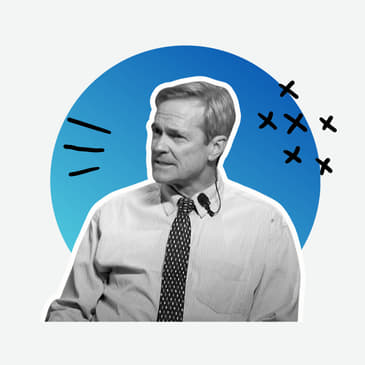
Ted Schultz of Theodore Schultz, Architect joins host Adam on the show to discuss his unique and intuitive approach to architecture, likening his work philosophy to the way he makes soups on a Sunday. His professional journey led him from Florida to a transformative stint in St. Croix, where he established his own firm (specializing in vacation homes) and honed his architectural practice. On this episode, Ted shares stories about his roots in Denver, growing up in a household anchored in creativity, how he was influenced to pursue an architectural engineering degree at CU, insights about his "club house" of architects (Pendula Architecture Collaborative) plus the transformative impact of technology on traditional workflows and communication in the architectural field.
Listen on Apple Podcasts | Spotify | Amazon Music | Pandora or wherever you get podcasts!
Watch & subscribe on YouTube
Check out Adam's firm, High Low Buffalo!
This episode is sponsored by Modern in Denver Magazine and Signature Doors and Windows
https://www.modernindenver.com/architect-ing-podcast/
See Privacy Policy at https://art19.com/privacy and California Privacy Notice at https://art19.com/privacy#do-not-sell-my-info.
[00:00:00] Hey, this episode is brought to you in part by Signature Doors and Windows and Modern Denver Magazine now on to the show
[00:00:09] So it was a great project that Pope was coming that year for World Youth Day and there's
[00:00:17] 100 or 200,000 people gonna come and he spoke at Cherry Creek State Park
[00:00:22] So they just had this you know this huge open space and so Doug said we had to design the stations of the cross
[00:00:28] for World Youth Day for the Pope being here and that was that's as much as he said
[00:00:33] You know come up with your own site your own concept like what would those be I?
[00:00:38] Chose the mile-high contour
[00:00:40] You know there's an actual contour through the city. That's actually a mile
[00:00:46] Hi, hello. Hello. Hello. Hello and welcome to architecting. Hi, Adam
[00:00:52] Hey, how's it going good?
[00:00:54] Welcome to architecting your podcast things
[00:00:58] Should we do that thing where we introduce ourselves? Yes for first-time listeners. Who are you?
[00:01:04] Hi, I'm Adam Weiner of
[00:01:06] Hilo Buffalo architecture and
[00:01:10] architecting podcast and
[00:01:11] This is Rebecca your wife and architect architect of the year
[00:01:17] at Ginsler
[00:01:19] Who's on the podcast today?
[00:01:20] Yeah, so
[00:01:22] Today we have a fun one with Ted Schultz
[00:01:28] You know him I don't
[00:01:30] He's just a great guy. He's just he was a lot of fun
[00:01:34] Ted is a one-man show although you'll hear in the episode he
[00:01:39] He's gone through different stages in his firm where he's been larger and and I guess you can't be smaller than one person
[00:01:46] But what's the firm name?
[00:01:49] Theodore Schultz architects
[00:01:51] architect
[00:01:53] but he runs a sort of collaborative office called pendula, which is a
[00:02:01] Cool little clubhouse for architects on Santa Fe. Is that the one on Santa Fe? Yes
[00:02:07] So there's a great collective of architects there
[00:02:11] Yeah, it's a fun group
[00:02:12] so he has a one-person firm but they work pretty collaboratively amongst themselves and kind of sharing projects and
[00:02:20] workloads and and just
[00:02:23] Ideas and things so it's a cool environment. It's I'm jealous of it. Yeah, what I want but yeah, I'm really interested in that system
[00:02:33] Yeah
[00:02:36] Sorry
[00:02:40] Yeah, I felt sick and that's why this one's taken so long to get out I
[00:02:45] Was talking to my good friend
[00:02:48] Gary Wong of Wong architects in Austin, Texas
[00:02:52] The new host of the designing Austin podcast
[00:02:55] Which you should check out if if you like this same format this this hyper local architect interview show thing
[00:03:03] He's doing the same thing down in Texas. It's really cool
[00:03:06] But anyway, I was talking to him about this and I was just saying it was hard to get this introduction going because I've been sick and blah
[00:03:14] And he's like you got to do it. This is the best part with you and Rebecca
[00:03:18] He's like I just I just imagine that you're just forcing her to do this
[00:03:24] right before bedtime and she's in her pajamas and doesn't really want to do it but
[00:03:30] You put it off to last minute and this is the last time you had to do it
[00:03:33] I said so pretty pretty good visual
[00:03:37] Yeah, check out designing Austin if you knew if you were into that Texas stuff
[00:03:43] No, he does a great job and speaking of doing a great job. Yeah Ted again. This is the fun one another one in the professional
[00:03:53] Studio downtown you can check out the video of it on YouTube
[00:03:58] Enjoy you've like created your own architecture community
[00:04:02] You know and brought all these people around and have this cool architecture clubhouse going on
[00:04:09] exactly I think clubhouse is a good word
[00:04:11] and
[00:04:13] It's an evolving experiment in how to practice or practice with people. Yeah, so feel very fortunate to have
[00:04:21] It was really unplanned, but yeah, it'll be fun to talk about
[00:04:24] Yeah, and just where it's at and where it could go right
[00:04:28] Well, yeah, let's get into that so the first hard question here of who are you you know how to answer that?
[00:04:34] Yeah, you know I
[00:04:37] It dawned on me a good way to you know how to answer that question is a
[00:04:42] Good way to know what somebody's like is to watch them cook. How do they cook?
[00:04:47] And so I thought about well, how do I cook and I?
[00:04:51] Really the one thing I do is a I'll make a soup on a Sunday
[00:04:55] And I thought you know just as a like what does that say but the more I thought about it's interesting over the years
[00:05:03] making soup
[00:05:04] It's it's eerily similar to how I've evolved practicing architecture
[00:05:11] So I'm a soup maker I guess
[00:05:15] but
[00:05:16] and realize the difference is I used to really follow a recipe and
[00:05:21] You know when I know you were talking about in a recent podcast about
[00:05:27] Intuitive or analytical and I think I was far more analytical about how I said about cooking or making and
[00:05:35] now
[00:05:36] You know won't even follow a recipe. It just you know use what's in the fridge and
[00:05:40] What I like or what people who I might be cooking for it's so anyways
[00:05:44] It made me think and I've noticed other other people if I ever just see them cook
[00:05:50] It tells you a lot about who they are so I'm a soup maker
[00:05:54] What is it about that's about Sunday soup that has evolved into that like yeah, and I it made me think about that too
[00:06:01] I know as architects we have a lot going on, you know your life. There's just so many aspects teaching and
[00:06:09] Practice just has a million components to it
[00:06:12] I think what I like about it is I can focus on that one project for a couple hours
[00:06:18] You know it's pretty time-consuming
[00:06:20] there's the prep that's you know the
[00:06:23] maybe getting something out of the garden figuring out what's available or
[00:06:27] I think the after the idea is that it's a Sunday afternoon and that you can just focus on one project for a few hours
[00:06:35] It's kind of a nice thing and then
[00:06:38] You know the result is
[00:06:41] Something you can share something usually pretty generous which is a goal. I think of of
[00:06:47] Architecture if it could be something that people really enjoy and it's a very generous thing and very healthy has a lot of history
[00:06:53] Behind it maybe some culture behind what soup it was or and
[00:06:58] It's funny the more I thought about it the more correlations it started to come up with
[00:07:02] Yeah, I I do all the cooking at our house and and I love that time
[00:07:10] You know I'm I'm constantly struggling with that like five o'clock and
[00:07:15] And I feel like I don't start ramping up work
[00:07:19] Or I get really into something about 430 and then five o'clock hits and I'm like I do not want to stop it
[00:07:25] But but I have to and so going picking up the kids whatever and then that thing is still in my head
[00:07:31] And and I find yeah cooking cooking dinner
[00:07:36] Really helps out where I can kind of turn it off turn everything else off and like or like slowly turn it off
[00:07:41] and then get into that
[00:07:44] That food jazz. Yeah, I guess and
[00:07:48] Yeah transition over but so what so where'd you grow up? I'm from Denver
[00:07:54] Okay, born at st. Anthony's is no longer there along stones lake
[00:07:59] But really grew up in golden and applewood and you know Applewood's really trendy for the mid-century modern
[00:08:05] People moving out there. It was a wonderful place to that the Mesa was my backyard south table Mesa and
[00:08:14] Really my my parents
[00:08:17] My mom and parent my dad and mom are both school teachers. My dad became a school administrator
[00:08:24] but he ended up buying this fantastic house is reaching for the stars and it was
[00:08:31] Built in 1961 a big a-frame on stilts hanging off the side of the Mesa
[00:08:37] so just a spectacular place to grow up in terms of the that giant landscape and then this
[00:08:43] This a-frame house that looked to the north but this you know the sunsets were incredible every night
[00:08:48] The design of the house was really remarkable. And so
[00:08:53] Again, just very fortunate to have this environment to grow up in yeah
[00:08:59] Did it feel like a different type of house like when you went to your other friend's house or things like that? Yeah, it felt
[00:09:05] Oh, yeah
[00:09:05] Yeah, yeah, I think people really enjoyed coming over in again
[00:09:09] I liked it because it was it was really a nice house, but it was spectacular
[00:09:14] But unassuming it wasn't wasn't so in your face
[00:09:17] But it you know fairly small
[00:09:19] But this giant a-frame with a big steel fireplace in the middle of it and these huge glass windows that faced and
[00:09:26] You know we get these charnuk winds and it would just blast the house
[00:09:30] It could be it wasn't the most practical house. It's really cold in the winter
[00:09:35] It was on stilts so all the cold air was underneath just an insulated under what under it well or yeah
[00:09:41] No, no no one thought about that and so
[00:09:44] But yeah, people really enjoyed coming over as a great house to have people
[00:09:49] You know just friends and my parents had a lot of stuff in the dining room or bring people over
[00:09:55] What did they teach so my mom taught?
[00:09:57] Business at Golden High School and then she became an interior designer
[00:10:03] she decided to
[00:10:05] leave the public school system and
[00:10:08] Really self-created herself as an interior designer and my dad taught art and he became
[00:10:15] He ran the art department for Jefferson County schools and
[00:10:20] Adam he did such a good job of
[00:10:22] thinking about well he
[00:10:24] He decided that he could write grants for the public schools
[00:10:29] And I think he was one of the very first people that ever did that
[00:10:32] He he just decided to write to the Getty's the Rockefellers and he said I want to put a kiln in every classroom
[00:10:39] I want to
[00:10:40] fund my schools and
[00:10:42] It turned out that you know his fellow administrators like what are you doing?
[00:10:46] You can't you can't ask these people and he said if I don't ask I know the answer
[00:10:51] right and he yeah, so he
[00:10:54] Ended up getting millions of dollars for Jefferson County schools
[00:10:57] It turned out those people wanted to fund the arts were looking for a new avenue to really make it impactful in the public and
[00:11:05] I
[00:11:07] Think that's had a big influence on me
[00:11:09] Also, just that idea of well you know the answer if you don't ask that was great Harvey Hines interview that you did with him
[00:11:16] No, just knock on the door internationally of architects. Yeah, you know that whole idea of just why not ask?
[00:11:22] And you never know and it could be
[00:11:25] It's exactly what the other sides looking for they say oh this is great. We've had this problem
[00:11:31] We don't know where to give this money, right?
[00:11:34] So what so what was his kind of median that you he would work in what was he creating a lot of art around the house?
[00:11:40] yeah, so dad was a watercolor artist and
[00:11:44] but we had
[00:11:47] Tons of artists come through the house and
[00:11:51] There was a in the 60s there was a group of painters called the Colorado 15 so abstract expressionist there
[00:11:59] At that time, you know really the leading group of artists in Colorado and you know
[00:12:06] Dad would invite him for workshops and posiums
[00:12:08] You know I grew up with all these guys and they they would call me teddy or I would clean up after all their parties
[00:12:15] But there several of them are in the Kirkland Museum
[00:12:19] Oh really and you know if you go in there all these artists
[00:12:22] I grew up with and just had as friends and some of them are still alive
[00:12:26] We're losing a lot of them that was another just huge influence just to be surrounded constantly by
[00:12:33] Art and ideas and people that were just unafraid to make things happen. Yeah, so was it was that some of the same?
[00:12:41] knocking on the doors where he would just see see a good artist that he liked didn't go and approach them or was it as sort of
[00:12:48] He just had friendships with people and yeah, yeah
[00:12:51] He was he was a master of that and he would just he would approach people and say you know
[00:12:57] Would you do a symposium in the schools? Would you like to collaborate?
[00:13:01] Would you so he was really involved with you know Vance Kirkland, you know with du and
[00:13:07] Red Rocks and you just he really integrated the whole
[00:13:12] art community for the benefit of the exposure of the students and
[00:13:17] You know the work he did, you know we have the Pritzker Prize in architecture, right?
[00:13:22] But every year they honor the National Art Educator of the year and he got that in 86 Wow
[00:13:29] So I think he was he was just an incredible connector not afraid to write grants not afraid to
[00:13:37] Make all these things have you just passionate about kids
[00:13:41] being able to
[00:13:43] Besides math and science you really there's just a lot of kids that weren't interested in all that right so it's phenomenal
[00:13:50] What he did so again, I think
[00:13:53] Looking
[00:13:54] It was nice to see both my parents just reach for the stars and
[00:14:01] Just say why not you know and they you know, they were very unassuming about it. It wasn't about status or about
[00:14:08] Hey look at us or it was just about
[00:14:11] You know bringing great things, you know within their disciplines and and pursuing their passions right of saying
[00:14:21] Yeah, this is what makes me happier. This is what I want to do and pushing forward with it. Yeah, so
[00:14:27] So then when you got to when you graduated high school, did you know what you wanted to do?
[00:14:33] Was it all set up for architecture or yeah? Yeah, I knew in fourth grade what I wanted to do one of those huh?
[00:14:39] Yeah, so what was that like?
[00:14:41] So that was you know an applewood then
[00:14:45] the it was a lot of small maybe acre
[00:14:49] Little horse pasture, you know people had horses and they would ride them on the mesa
[00:14:53] well eventually that was really prime land to get developed and
[00:14:58] There were a lot of these 70s track houses coming in just all around the house we had
[00:15:04] My dad mentioned he said these houses need an architect
[00:15:08] I said what did what is an architect and he explained to me that you know
[00:15:12] They they just they could do better with some thought and especially with that beautiful landscape, but I thought wow
[00:15:19] That'd be something I'd like to I'd like to do that right so that's how that got started
[00:15:24] But I never wavered from it. Hmm fourth grade my my dad built our house that we grew up in and
[00:15:30] It wasn't it wasn't an a-frame, but it it had a lot of volume to it
[00:15:34] It had a bunch of exposed structure
[00:15:36] It had these things that you don't see often, you know and
[00:15:40] And I do think that that influenced me a lot, you know thinking yeah house doesn't have to look like
[00:15:46] This or like that and yeah and being I mean it's interesting being in that
[00:15:52] Invite that spatial environment and then
[00:15:55] Being surrounded by that group of artists in the 60s like that that combined with two teacher parents
[00:16:00] Yeah, I like set you right off onto the architecture path, right? So then when you got to school
[00:16:06] Where'd you go? Did you go to see you Boulder? I did yeah and
[00:16:11] At that time I know you've had lots of other people on the podcast talk about that oil embargo
[00:16:17] And all that stuff happening in the 70s and so I graduated high school in
[00:16:22] 1980 okay, and
[00:16:24] I talked to several architects just to you know
[00:16:27] Just talk to them about what I you know what how the path should work
[00:16:32] Every one of them told me have something to fall back on because I think they had just been through
[00:16:37] Hell, you know who were those guys that you were talking to? Oh, you know local guys there was
[00:16:45] You know friends of my parents and say you know I think local practitioners here and you know
[00:16:50] I had opportunities when I was in you know how you would go for a day and hang out with a professional from your school
[00:16:58] But every one of them said get a structural engineering
[00:17:02] Degree also see if somebody to fall back on it was funny
[00:17:05] And so I took that advice so my first I went to Boulder
[00:17:10] But to the engineering school Archee up there, okay, and I think Brant and Greg who you just interviewed
[00:17:16] They were up there about the same time I was yeah, and I
[00:17:20] Really could identify something else that Harvey Hines said you know I I was really disappointed in my education
[00:17:27] I didn't tell the director like he did but it was all about I think
[00:17:32] Training you to be a cog in the wheel you know training you to be a proficient engineer in a firm
[00:17:37] Which there's nothing wrong with but it just didn't
[00:17:40] stimulate it just didn't stimulate thought or
[00:17:43] It was really about just checking all of these boxes and you know
[00:17:47] It's a four and a half year program. They are hardly like this is the architecture engineering program within the engineering school
[00:17:54] Okay, right, and it's mostly civil
[00:17:56] so it's it was just a very few electives and
[00:18:02] So I found it really frustrating. I went ahead and finished it but
[00:18:06] it was
[00:18:07] At the end of the day it in terms of just
[00:18:11] Education in terms of giving you tools of things to work with it always had something to fall back
[00:18:17] So you did a full four and a half four years of that yeah four and a half. Yeah, yeah
[00:18:22] and
[00:18:24] Then and then yeah what?
[00:18:26] What did that set you off into yeah, so that was that made it really interesting
[00:18:31] To get because I knew I wanted to be an architect
[00:18:35] So I had this degree and I thought
[00:18:39] I'd like to work for an architecture firm. I did some internships during the summers
[00:18:44] Like at Syracuse Lawler. It was a huge firm in town. He had 70 employees
[00:18:50] So I had some exposure, but I took my portfolio at that time. There was another
[00:18:57] In 84 we had another horrible recession
[00:19:01] You know Denver was a one horse just oil and gas town
[00:19:04] Yeah, you know it's so much more diverse with but if oil and gas was down there was just no work
[00:19:10] But that was actually good my my mom had had a second marriage and moved to Florida
[00:19:16] And they were booming and I was ready to do something different after growing up in Denver going to school in Boulder
[00:19:22] So Florida was booming and I I decided to knock on doors
[00:19:27] Just so I knocked on the doors of 40 different architects for just Orlando Tampa
[00:19:34] Just the yellow pages, you know just like that. I think I just I don't know looking for a job and
[00:19:40] Was your hit right there? Oh, it's zero. I mean the 40th finally said, oh, yeah
[00:19:46] So you just kept going until someone I mean were people answering the doors and talking with you or they're just closing
[00:19:52] Yeah, yeah, almost everybody. I got an interview right on the spot. Hmm. So again, just knock on the doors
[00:19:58] They and they were busy. They needed people but they couldn't understand
[00:20:02] My degree. Oh, right. I like well, you know, I had drafting classes. I can do all this stuff
[00:20:07] but the the 40th said yeah, come on and
[00:20:12] So I worked for a couple years in Tampa for that firm
[00:20:16] The owner
[00:20:17] Well that it was a branch office of a big office in North Carolina
[00:20:21] But the head of the branch office he started his own practice and he took me with him
[00:20:25] So it was just the two of us for a for a while like like right after you got there to Florida
[00:20:31] Yeah, so I worked probably it was called tag
[00:20:34] I worked at tag for about a year and a half and then Walter the
[00:20:38] The regional manager he started you broke off and took his and so it was actually quite nice
[00:20:44] He took me took the cheapest guy with him, but you know, that's how fast I learned and figured out how to do stuff and
[00:20:51] What's gonna work for you doing we were doing apartment big apartment projects
[00:20:55] So literally we would cut out the shape of the apartment building and
[00:21:00] Then had the site and then I remember just taking those pieces of paper and throwing them on the table and
[00:21:06] Arranging those apartment buildings and trying to weave in parking and all these big retention ponds
[00:21:11] You have to have them it was not very enlightened architecture for sure, huh?
[00:21:15] but
[00:21:17] You know just amazing what my colleagues know, you know what architects just to put a set of drawings together and
[00:21:23] so it was it was fine for me it gave me an introduction to
[00:21:28] To you know what architecture is all about or one side of it anyway
[00:21:34] And then how did that end?
[00:21:36] So that I ended up
[00:21:39] You know we would work all hours and that was great because it didn't paid by the hour
[00:21:43] so I think was five bucks an hour, but
[00:21:46] How that ended was I went to a party and
[00:21:51] Met someone who had just come back
[00:21:55] From an island called st. Croix and so Adam I
[00:22:00] I don't know if you've ever just sat next to somebody and play you know just end up talking and just have this
[00:22:06] I could not hear enough about this island and they had lived there for a year and a half or so
[00:22:11] They told me all about what it was like to live there and
[00:22:15] So I just decided right then and there I'm moving
[00:22:18] You know, I think I played out everything in Tampa and you know
[00:22:22] We're working all those hours as a little burned out right and so I told my girlfriend. Who's my wife now?
[00:22:29] The next day I said I told her all about this island and said I'd like to go and she said I'd like to go too
[00:22:35] So sight unseen we move to st. Croix
[00:22:38] They don't they don't have 20 architects on the island right how many doors are there to knock on yeah, yeah
[00:22:42] So that what happened well that
[00:22:45] She got a job teaching through the mail so she had a job before we got there
[00:22:49] But I just I took carpentry tools. I thought I could be a bartender
[00:22:53] I brought my drafting stuff just in case you were just like that much into island life
[00:22:57] You were just ready ready for it. Yeah, why not have it just a change and
[00:23:02] the we
[00:23:04] Got there and we're in that like a guest house just to that very and the very next morning
[00:23:09] I'm brushing my teeth the guy next to me
[00:23:11] You know he's brushing his teeth like he had just moved to the island
[00:23:15] Like what do you do? And I just left an architecture firm
[00:23:17] Like dropped his toothbrush. He said oh my god. I just came down to work at an archer architecture firm were swamped
[00:23:25] He says you have to come down. He says you have to come down
[00:23:30] Yeah, and so I went it was a Thursday went down
[00:23:32] I put a tie on and I met the owner and he's all man hired me on the spot doubled my salary when I was making in Florida
[00:23:39] And I said well do you want me to come tomorrow Friday? He's like no and get rid of that effing tie
[00:23:45] He said go to the beach and
[00:23:48] Adam it was pinch me. Yeah, that's fantastic and we were doing all this wonderful
[00:23:54] houses and you know
[00:23:56] businesses on the island and
[00:23:59] Every morning I loved how they worked. We would meet for coffee for about an hour
[00:24:03] There was six or seven of us
[00:24:04] So it was a little coffee in the square right below the office
[00:24:08] You know and talk about life and maybe a little bit about projects
[00:24:12] Work for about six and a half hours. We all wore our shorts and t-shirts, but did really good work, you know, I think
[00:24:19] Learned that you don't you don't have to kill yourself to do good work. You know, they they just had a great attitude and
[00:24:26] Very sharp architects. I think the island attracted people that
[00:24:31] You know, it's some really great people, but they just they just needed an unassuming
[00:24:37] just casual place to be and
[00:24:40] Oh man was that great?
[00:24:43] So I know it just this happened. Yeah, it's funny
[00:24:48] I just had some friends who've been living in Denver and they just bought a little compound of buildings in St.
[00:24:55] Croix and the same thing where they had been building up sort of
[00:24:59] You know a duplex owned a duplex then like have four plex and an eight plex and then their goal was to like to go to
[00:25:06] St. Croix and buy buy a spot and the invitations there I need to take them up on it. Oh you do
[00:25:12] Oh, you do. Yeah, it's the town Christian said is what is a lot of people say it's the nicest
[00:25:19] in terms of architecture just like a like a like a small
[00:25:24] City very small, but it's beautiful
[00:25:27] architecturally gorgeous. It's all Danish architecture. Oh interesting that the
[00:25:33] Danes would bring brick over as ballast and take mahogany and and rum back
[00:25:38] so it's all made out of Danish brick but with like this hybrid of Danish architecture meets Caribbean
[00:25:45] It's a beautiful city and I mean it very again. It's very different from St.
[00:25:50] Thomas or the other or St. John
[00:25:52] So, yeah, I would it was a lovely place to live. It was it was quite
[00:25:58] It's quite laid back, but just with a lot of really interesting people
[00:26:03] Yeah, so so why aren't you still there? What well that's so it just gets crazier from there
[00:26:09] I think a lot of you know my whole architecture career has really happened to me. I don't know that I've really planned
[00:26:16] that was on the roof of a
[00:26:20] of a re-roofing of a condo project and
[00:26:23] The head of the homeowners Association or the condo Association said well, do you know an architect that can do a house for me?
[00:26:31] And I said well, yeah, we do them all the time and he said you're not listening to me
[00:26:35] He says do you know someone who can do a house for me?
[00:26:39] Like like are you talking to me? You know, I think I'm 25 and
[00:26:47] Well, I like and so we agreed on like I don't know four thousand dollars and he gave me his car
[00:26:52] I didn't have a car
[00:26:54] my wife or my my girlfriend at the time had a car so we
[00:26:59] We're going to dollars in a car and a car
[00:27:02] Well, he had breakfast the next day and said I found this young guy that can do plans and
[00:27:07] Jan who he had breakfast with was the lead or like the most successful realtor on the island and the head of the Chamber of Commerce
[00:27:15] And so she took me to breakfast and said your life is gonna change
[00:27:20] I mean, I mean that was my interview. She just told me my life is gonna change and
[00:27:26] So I started to get all these
[00:27:30] There was another part of the story is St. Croix goes through these huge cycles like a hurricane will wipe it out or
[00:27:37] there it
[00:27:38] It was just peaking again after 15 years of just nothing and so people were
[00:27:43] Coming left and right and buying lots and building vacation houses
[00:27:47] And she had no one to do these houses like your firm was swamped or too expensive like the firm
[00:27:54] You were working at before I mean, yeah, you know, I guess I could do it
[00:27:58] It's all I do it a lot less expensively
[00:28:01] I suppose you end up with a lot of cars but like it still worked
[00:28:03] Yeah, but there's just not enough warm bodies on an island like this
[00:28:06] You know there they're busy enough or and it was a I don't think I'll like Denver's a boom
[00:28:12] Or we've seen quite a boom of the last decade
[00:28:15] The boom was unbelievable Adam
[00:28:17] there were so many people coming and buying lots and building houses and
[00:28:22] They're all coming down from the East Coasties and they're all fabulous
[00:28:25] Vacation houses that they want to build by the ocean and
[00:28:29] She just didn't have enough she could sell lots, but there was not near enough people to take care of them and
[00:28:36] So
[00:28:38] So I started for a year. I just worked
[00:28:42] I would moonlight doing that and then eventually within two years. I had seven people working for me
[00:28:49] designing vacation houses and you just you found people and
[00:28:53] I mean, I mean whatever I could do trained or yeah, just yeah, I brought people down from Florida
[00:28:58] I had my brother went to the 30 years old yet
[00:29:01] I'm 25 years old and
[00:29:04] My brother at this time. He's at the GSD. He's an architect also
[00:29:07] Oh, yeah, so I had him working on stuff some of his buddies working on stuff, you know, like here's a house
[00:29:13] Here's a house. Here's a house ahead and it was blasted
[00:29:16] Jan had her office
[00:29:19] Downtown and she I rented a space right above her
[00:29:22] So she would sell a piece of land and they would just come right up
[00:29:24] Just go go around go around the corner with the stairs and yeah
[00:29:28] It's just you can't one stop shop and then the contractor was the building next over
[00:29:34] So what did that do what did that do to your island life, you know of
[00:29:39] You're like, oh, I like an hour coffee and I like my six-hour days
[00:29:43] But you're getting all this work, you know, did it did you have to make the switch where you're working crazy hours?
[00:29:50] And you know well that the only thing that changed that because you know that ethos
[00:29:56] people understood it but what
[00:29:59] What changed that was the fax machine?
[00:30:03] One of my clients bought me one of those days and it was like 3,500 bucks
[00:30:07] And I know again who was talking about the thermo paper and just all that yeah
[00:30:11] I think the KLNA guys so because the postal system was so lousy
[00:30:16] And from the islands, you know everything was island life and part of the reason people come down there
[00:30:21] They understand they don't like if you want to be al-frantic you don't belong there
[00:30:26] So but the fax machine all of a sudden you know before we would do sketches and mail
[00:30:32] And then it would take a while for it was really nice the back and forth or I had my own blueprint machine
[00:30:38] I made blueprints and send them but all of a sudden you could get a call and say well
[00:30:43] Can you fax me that by five so that anyways that but it was still fine
[00:30:49] They were really not the clients were very patient
[00:30:54] So what ended all of that hurricane Hugo came through and just destroyed the island it went on to
[00:31:02] Charleston afterwards it was one of the most vicious
[00:31:06] you know
[00:31:07] hurricanes and like literally it just destroyed the island and
[00:31:13] September 18th, it was 1989
[00:31:17] You know woke up the next morning that the island was just denuded it looked like winter in Colorado
[00:31:23] And there were cars and trees and we were really just happy to be alive and
[00:31:28] I wanted to rebuild the island and the worst you know, I love that place. I thought it was you know as an architect
[00:31:35] but my wife
[00:31:37] Was no place for her it was all the looting was unbelievable
[00:31:42] The National Guard was looting the police were looting the National Guard trucks were full of mattresses. It's the first time in
[00:31:49] 100 years we had to call out our own military around our own soil is kind of wild does the quellet and it was
[00:31:55] It was and her schools were destroyed and but it gave me a chance to go to
[00:32:01] architecture school finally
[00:32:03] So I've never been after after owning a firm of six seven people eight people and yeah
[00:32:08] He's not funny school now. It's time to go to school and the one thing about St. Croix
[00:32:13] They did have a draftsman's license. It was the only place I've ever heard of this and
[00:32:17] The test was a really serious test you had to draw a full set of drawings
[00:32:22] For a house in six hours and answer all this stuff. It was
[00:32:26] The only way you could do houses down there's you had well you had to be an architect or you had this draftsman's license
[00:32:31] so
[00:32:32] It gave me a chance. I'm like I always wanted to go to architecture school. So
[00:32:37] Fine we spent a year in DC area. I got a job with an architect just to fill in and
[00:32:45] Apply it around and ended up coming to see you you know, I'm from here, but I was really impressed
[00:32:51] You know EJ from arc 11. Yeah, he was a student there at the time and I
[00:32:56] Walked in and he spent a couple hours talking with me. Oh, it's just great like the people were that accessible
[00:33:02] He really told me how great the work was and I had spent a lot of time at the GSD with my brother
[00:33:07] I would go and help him. He's older. I would help him during finals. What's his name?
[00:33:12] His name is Lyndon
[00:33:13] You know, I'd sit in and you know
[00:33:15] You talked about how those studios are like at at Yale and you know that we don't quite have the same atmosphere here
[00:33:22] when you were talking with Katie, but I
[00:33:24] Had a really good taste of after spending
[00:33:28] You know, I would spend a week at a time with him and I'd drop in and listen to all that stuff
[00:33:34] That's awesome. I really I honestly think what was happening here was just as good probably the one difference
[00:33:41] Was you're just the access to so many
[00:33:45] famous and big thinkers coming through right but I thought the quality of the work and
[00:33:50] So I ended up here at CU to get my masters
[00:33:54] So who was here? It was like Douglas Darden. Yeah, right and yeah, what about the CU at that time?
[00:34:02] Really drew you in, you know like was it dirt in or like the people there or?
[00:34:09] Yeah, and I think listening to people like EJ and people that really talked about it after that experience
[00:34:15] of engineering is going being quite dry, right? I was really ready for some some really rich
[00:34:22] thinking and engagement and challenging and and so
[00:34:27] it and it worked that the teachers were fantastic and so
[00:34:33] Across the board it was you know, I ended up in Darden's studio for the last man strap in and
[00:34:41] You know that was he was no more wanting
[00:34:43] No more island life in but I'm so glad I had that you know, he was
[00:34:48] He was on his last legs at that time. You know he with his cancer and he
[00:34:53] He would just teach lying on the floor. The guy was amazing. Just he was so visceral and so
[00:35:00] Oh man, what an experience did he have a sense that he was gonna die?
[00:35:05] I mean yeah, and so this so that was really I mean he like he chose to do that with his last
[00:35:11] years, right and like chose to
[00:35:15] That's so interesting. I
[00:35:17] been thinking
[00:35:18] Yeah, been thinking about that of you know, like if you knew you were gonna die
[00:35:21] What would you do? You know and like what's that thing that you're passionate about and and it to kind of feel that?
[00:35:28] that passion or that
[00:35:32] Not desperation necessarily but coming off somebody like that, you know with all these ideas and knowing that it's
[00:35:38] It's almost over
[00:35:40] Yeah, I think he was definitely fighting it but knew I mean
[00:35:47] Absolutely knew that you know his chances that this but he would and he kept drawing till the until the end too
[00:35:55] You know, he would strap in and draw for 16 hours straight and he would use talcum powder and you know just
[00:36:01] He would but but just so successful. He would really listen to he wasn't a
[00:36:06] He was intense but just so open and not an ego maniac kind of thing
[00:36:12] Not at all and he loved to learn from us as well
[00:36:15] He was just man
[00:36:17] But you know that the school and I actually think the schools even gotten better, you know from all of the programs it
[00:36:25] With the design build and other ones within communities and you know when I do juries down there. I
[00:36:31] I'm really impressed. I tell people see you's rocking it. It's a really good architecture school. So yeah, no, I agree
[00:36:39] I think there's there's great things happening and good good new
[00:36:42] Professors coming in and yeah mark these five cameras doing a great job and
[00:36:47] But so what what was that? What was that final project?
[00:36:51] So it was a great project that Pope was coming that year for World Youth Day
[00:36:56] And so that's a bit, you know the Pope's coming to Denver and there's
[00:37:01] 100 or 200,000 people gonna come and he he spoke at Cherry Creek State Park
[00:37:06] So they just had this you know this huge open space and so Doug said
[00:37:12] You know create a
[00:37:14] He wanted us to do the stations of the cross
[00:37:17] You know in the Catholic Church. There's the 14 stations and we had to design the stations of the cross
[00:37:24] for World Youth Day for the Pope being here and that was that's as much as he said so you had to
[00:37:31] You know come up with your own site your own concept like what would those be?
[00:37:35] So I I chose the mile-high contour
[00:37:39] You know there's an actual contour through the city. That's actually a mile
[00:37:43] So it was fun marked in some way or just just no, you know, I think it should be I think it'd be
[00:37:48] But that was the proposition was you know the mile-high is if you I got out those
[00:37:54] old seven-minute maps, you know
[00:37:55] You could go to the federal center and get those big beautiful topographic maps before we had Google everything
[00:38:01] But there these about the size of this table and you piece them together
[00:38:05] And you have the city and you can find the 5280 contour so what was fun about it was
[00:38:12] It was completely random where it goes based on our city
[00:38:16] Right and so I thought you know
[00:38:19] What a nice thing in terms of the faith and the stations of the cross to follow something that is this uncertain path and
[00:38:27] It was amazing because at Lee it actually led down Cherry Creek and had a lot of correlation
[00:38:33] Surprisingly of where it where it ended up and then design these stations where
[00:38:39] Related to you know, Jesus falls three times and all you know where he's actually put on the cross that you had to interpret
[00:38:45] each one of those right so
[00:38:48] Yeah, it's very loaded Doug Darden project
[00:38:56] And what was that what was that like coming in with all your your practical experience right like you had to be
[00:39:05] Fairly advanced student coming in compared to some of the other ones and had a lot of practical knowledge
[00:39:11] Was it was an easy shift for you to make into that more ephemeral kind of thinking or was it you had to get
[00:39:21] Squeezed and reshaped a little bit. Yeah, you know, I think that or you just ready for it. Yeah, I think the seven years of
[00:39:29] Practice, you know you took seven years off between. Yeah, and I'm really glad I did I think it
[00:39:34] You know whatever circumstance led to that normally I think I would have gone much sooner
[00:39:39] But I really liked having that all under my belt. It made it far more engaging and
[00:39:47] You know I could I was the TA for all the structures classes to fill gay egos. Yeah, so that was fun
[00:39:53] I think the and I liked
[00:39:56] helping you know structures was so confusing for so many students and to
[00:40:01] To make it palatable and understandable
[00:40:05] It was it was just fun to I think teach it in a way that I never it was never taught to me
[00:40:11] but more from the perspective of the architecture school right and
[00:40:16] And I TA'd the history classes just because I really wanted to learn it again and again
[00:40:22] And and then studios and all the theory classes I could possibly take it was it was wonderful
[00:40:29] But you know what happened when we got here, you know where you mentioned like we're all having babies while we
[00:40:34] Make architect when I got here
[00:40:39] You know we're having kids and we're going to we would go to barbecues on the weekends with our babies other young families and
[00:40:47] Every barbecue I went to everyone needs a master bedroom edition a pop-top
[00:40:53] So I got just as well. I didn't have to hire those people, but I got slammed
[00:40:58] So I was during grad school. Yeah, so I was doing
[00:41:02] All kinds of the other that kind of thing pop tops and additions
[00:41:08] While I was in school, so I kept on working. I never really stopped and
[00:41:16] So that but actually that was fine it was I would just just
[00:41:21] You know whenever the kids were asleep. I just work all night
[00:41:24] Yeah
[00:41:24] And so how old were your kids at that point when you're in grad school the semester before I took Darden
[00:41:30] I had my six month old in my backpack and I went to see his
[00:41:36] I don't know why I must have having to do daycare or something and
[00:41:40] But I went to see Doug's final
[00:41:43] Because I was trying to decide if I wanted to yeah, and so
[00:41:47] It was off-site somewhere where you know and in this he always has some incredible program that he's putting together
[00:41:52] And he had just presented the whole idea and the depth and the excitement and
[00:41:57] And they were about to break into groups and everyone was going to go look at the work
[00:42:00] So all were assembled and there was just a couple second pause before people leave
[00:42:06] And my son was in the backpack and he just gave the biggest
[00:42:10] Raspberry and it was so perfect because Doug had just been so flowery about all this stuff
[00:42:17] Everyone laughed including Doug. It was just hilarious, but um, so my kids were I just had my son during that last
[00:42:25] You know that last studio and ended up
[00:42:29] So crazy crazy
[00:42:31] That's where really I got started here in Denver with I called it agency for architecture
[00:42:37] And you know, I like that word agency because it means office but also means
[00:42:43] Connecting dissimilar things or if you have agency you have you know, it invites you to have some kind of
[00:42:49] Participation or you have some value or I like that word agency a lot
[00:42:54] And uh
[00:42:55] So that so you started you started that. Did you start it with somebody else? I've heard of that
[00:43:01] No, it was just you. Okay. It was just me. Yeah, I just I ran across it and there was a time where um
[00:43:08] The uh
[00:43:11] A colleague from school, you know, we were gonna partner up and stuff
[00:43:14] But it worked actually worked out better just to live together and stay get married
[00:43:19] You know really worked out so Jim and I worked on for a long time. We met at school
[00:43:24] But um, it's hard to find that perfect partnership. Yeah, and I thought you know, I know you've been through it some and
[00:43:30] no
[00:43:31] You know nothing wrong with that really and I think
[00:43:34] For me and I and I also thought you know, no harm in
[00:43:37] That metaphor of just living together instead of getting married
[00:43:41] And uh sharing
[00:43:43] You know, we ended up buying an office building a building together
[00:43:46] Which was great, you know as an architect to own your own building right then you have a that's the thing just fall back on
[00:43:54] You instead of engineering fall back is at the building you're in now or is it it was a different? It's right next door and then I moved
[00:44:02] So how are you
[00:44:04] You know to me now like as a young architect that seems unfathomable, you know
[00:44:09] Especially in Denver of being able to buy a building or you know have an office
[00:44:13] uh
[00:44:14] Was that just
[00:44:16] Yeah, I guess you were already more advanced in school and working during school and just able to save up enough and
[00:44:23] And then with the agency
[00:44:25] Did you have projects right away or just kind of a continuation of the the pop tops and those kind of things?
[00:44:32] Yeah, you know, again, it just kept evolving. I was doing that and then
[00:44:36] my sister-in-law worked for westward
[00:44:39] and uh riga's christu has a bunch of nightclubs and the
[00:44:43] vinyl and
[00:44:45] And uh sarin getty and the church there was all these well
[00:44:50] She sold advertising for westward and
[00:44:53] You know knew him really well and knew he was looking for an architect. Like a new a new architect
[00:45:01] And so
[00:45:02] introduced me and uh
[00:45:04] He owned it was called the funky buddha at ninth and lincoln eighth and lincoln
[00:45:09] And uh, he wanted to put a roof deck on there was one other roof deck in denver
[00:45:14] I think it was down in lodo. But you know roof decks were this brand new thing really and uh
[00:45:20] Like what do I know about roof decks? But you know, he he was cycling through architects and wanted to get a new one and uh
[00:45:28] He hired me to do this roof deck. Like again, I have no idea how to do a roof deck
[00:45:33] You know when I got all those houses in st. Croix, I didn't know how to do
[00:45:36] I've had to teach myself over and over again how to do stuff. But you know, you can yeah, so uh,
[00:45:41] What was it? What was there? I want to
[00:45:44] Dwell on that for a second like was there fear there with in in st. Croix of like
[00:45:49] I don't know how to do this
[00:45:50] I can't do this by myself and then you like somehow got pushed through it or do you have
[00:45:56] The more that personality where you're like, I might not know how to do this
[00:45:58] But I'll figure it out and then each time it gets easier and easier
[00:46:02] Yeah, I think I just
[00:46:04] You know, I was working with
[00:46:06] That firm and you know as I transitioned we had houses. I just studied the plans. Oh, right. Yeah
[00:46:12] And so I just told myself this is not that here's the structural engineering. Here's all this stuff and uh
[00:46:19] So I I just fit I'll just figure it out and in the surround people with you know
[00:46:24] With people that know how to do stuff, right? But we yeah that and one of the nice things too at doing that roof deck
[00:46:31] Was we had to work really closely with the fire department and at that time chief joe
[00:46:37] Joe ganjalas. He was such a magnificent. He was the chief of fire prevention
[00:46:42] And I just remember really collaborating with
[00:46:46] the
[00:46:48] Which is so much more accessible you could go down and work with all the architects and and the reviewers at the building department
[00:46:55] It was fantastic
[00:46:57] And so really worked out with the fire chief how this is going to happen
[00:47:02] And so again, I didn't have to know a ton of stuff. He
[00:47:05] He said, you know, I think we can do this and they would he would talk about all the code sections and
[00:47:10] You know, a lot of it's pretty basic. You just got to figure out how to get a stair there
[00:47:14] You put a bar up there, you know how to get the roof on you know, and then
[00:47:18] Like for instance, we put a whole new structure above the roof and left the roof so the water would just rain through
[00:47:24] and uh
[00:47:26] well
[00:47:28] This roof tech thing now everybody wants a roof deck because it's this new hot thing and you're the roof deck guy
[00:47:35] I'm the roof that guy. Isn't that bizarre?
[00:47:37] I mean like suddenly i'm the roof tech guy, which
[00:47:41] While i'm doing their roof deck. Well, we need to expand our restaurant. We know and I became the restaurant guy
[00:47:46] So that's how I got, you know windcoupe brewing company
[00:47:49] I had all these people
[00:47:51] Contact me and then once i'm working for windcoupe and they've got
[00:47:55] We're expanding the cricket we're doing, you know just i'm getting to do all this really fun stuff and uh
[00:48:02] You know again, I didn't I didn't I didn't know how to do one thing about a restaurant
[00:48:07] But all of a sudden they're like well, it's
[00:48:09] We just need to add this or we need to add a patio. We need to
[00:48:13] So it's been it's funny. I feel like my career has constantly just happened to me
[00:48:18] but take it
[00:48:20] You know people say, you know
[00:48:22] Very lucky, but I do agree with this premise that you make your own luck, right?
[00:48:27] And again, I didn't I made it by just showing up in st. Croix
[00:48:31] I mean I could have just been a bartender
[00:48:33] But or I just made it up by being on that roof and I made it up by you know
[00:48:38] I just think yes, right and that's the kind of difference. Yeah, so I think i've been really lucky
[00:48:44] Yeah, but I think yeah you
[00:48:47] somehow
[00:48:49] Because that question comes up all the time adam about how to how do you get work?
[00:48:54] Right, you know and I've got a lot of young guys in the office that
[00:48:58] Asked that all the time
[00:49:00] And I move to an island. I think yeah, I think just be
[00:49:04] Present be out there being rubbing shoulders with there's this phrase from a podcast. I listen to it's a
[00:49:11] The definition of culture is people like us do things like this
[00:49:16] So it's really fascinating like that's what culture is if you think of any culture people like this group do things like this
[00:49:24] so if you're out and about in
[00:49:27] You know you can think about just restaurants here or these apartments or you know, there's a certain way we do things in Denver
[00:49:35] And so if you're just in a
[00:49:38] You know get on the board of a nonprofit or just be out there just be mixing
[00:49:45] Your people will find out you're an architect and you're naturally doing things that everybody else is doing and they're gonna go
[00:49:51] Well, you help me
[00:49:53] I just think the key is to be
[00:49:55] out where
[00:49:57] You're you're doing things like everybody's doing and then naturally they're gonna like I would have barbecues and people needed something
[00:50:04] right
[00:50:06] But but it's also interesting like I struggle with this a lot of
[00:50:09] Okay, I only I only have a certain amount of hours in the day
[00:50:12] Right and so much effort that I can put into things and projects take so long
[00:50:17] Yeah, you know and I would get into a thing of if someone offered me a roof deck
[00:50:22] Even if I need a project I'd be like, I don't know
[00:50:24] Do I want to spend the next three months doing a roof deck?
[00:50:27] You know and and I almost talk myself out of most projects before I even see if there's a
[00:50:33] Cool spark or something to them. But like how
[00:50:36] So for you, I mean
[00:50:38] You know getting out of grad school with with all these ideas and this and the stations are across and like thinking
[00:50:45] big like that and then going to
[00:50:48] pop tops and
[00:50:49] and
[00:50:49] Roof decks and like that that wasn't an issue for you
[00:50:53] You're you're able to really find sort of it seems like you're able to find like the joy in in these different tasks easily
[00:51:00] but
[00:51:01] Yeah, I think that
[00:51:02] the
[00:51:03] Problem solving is really
[00:51:05] interesting
[00:51:07] And I I think that and I just really like people
[00:51:11] So if they're thinking oh, I have this dream even if it's
[00:51:14] You know, I want to create this auto body shop
[00:51:17] But then we try to
[00:51:19] Really make it an environment where they're going to thrive right but I uh, but a lot of times there's
[00:51:26] There's quite a bit of opportunity in there. So, you know, occasionally it is just getting somebody through a permit
[00:51:32] but
[00:51:33] It's it's incredible how often there are these ways you can craft it and and try I always think of
[00:51:40] Having a dollar do six things
[00:51:42] Because it's so expensive
[00:51:44] So I tell them well, it's got to do this this this this and this and so really invite the outside in and have this happen and
[00:51:52] um
[00:51:53] we did uh
[00:51:55] I'm very lucky and got to do the uh a sculpture garden for foothills art center museum out in golden and uh
[00:52:03] And again, they wanted a sculpture garden, but they the entry was really confusing and there was no place for a fundraiser outside and there was
[00:52:11] We just made sure all of these things happened within the exact same footprint and had now they use it for parties now they
[00:52:19] Now it's very clear how to get in the building and how to
[00:52:22] So I think that that's you can if you since it's so expensive you
[00:52:28] There's all kinds of opportunity in that about how do you answer a ton of different
[00:52:32] If you're only answering one thing with a dollar, it's not worth it. Hmm
[00:52:37] Yeah, except for those people who have way too many dollars. Yeah
[00:52:40] Yeah
[00:52:42] But so yeah, so you talked about so then then you became the restaurant guy, right and uh
[00:52:49] Take us through I mean, you know, I
[00:52:51] Some of the work that I know you best for is you know around around the highlands and
[00:52:57] And route down and little man and yeah, how did those projects come about? I mean, and they're they're both of those are very distinctive. Yeah
[00:53:05] Yeah, so um
[00:53:08] Just fantastic clients that have these ideas
[00:53:11] You know if you're used to trying to just really
[00:53:14] Give everything you like get all you can out of a project the uh
[00:53:20] You know get really excited about that, but you know this network that just keeps building
[00:53:25] You know contractors with
[00:53:28] You know a lot of times people come to a contractor first
[00:53:31] And that's how really I got involved up in the highlands
[00:53:34] was contractor doing work up there
[00:53:36] introducing me around and
[00:53:40] The uh, you know the the we did olinger up there. Oh, yeah, and then in 2003
[00:53:47] There was just nothing going on up there. Nothing. I mean and so
[00:53:51] um, Paul Tamborello bought
[00:53:54] Olinger and I had met him through this contractor
[00:53:58] And uh, he was really looking for somebody
[00:54:01] Again, sometimes, you know just looking for somebody that's going to embrace what he's talking about
[00:54:06] And uh, he and Stephanie Garcia bought that and they
[00:54:10] You know we did the plans to corn shell to
[00:54:14] and
[00:54:15] No restaurants were biting. Nobody was coming up. I mean it was
[00:54:19] We had that thing done already. It was just really
[00:54:22] Really down and out. Yeah, nobody saw the vision
[00:54:25] Yeah, and then it was uh, and he and he was just buying up kind of land around there
[00:54:29] Yeah, well, I mean I'm in his generator office building right now. And so I see him and yeah, yeah, I saw that you're in the generator
[00:54:38] So, you know
[00:54:40] believing and you know, I think at that time
[00:54:43] It's always a stretch
[00:54:44] You know a lot of people think developers just have oh man, but they're always walking this tie rope trying to make it all happen
[00:54:51] because you really
[00:54:53] You know you invest in that you have the mortgage you got I mean
[00:54:56] And he had he'd already had little man ice cream going no no no no
[00:55:00] So
[00:55:01] That that whole owing owing or mortuary complex that giant piece, right?
[00:55:06] You know he had the vision like wow this could be incredible
[00:55:09] And again nothing was happening around there yet. I mean it was just in fact
[00:55:14] That they were had all these programs trying to get the neighborhood to revitalize and have something happen
[00:55:20] And it was you know, we're just junk cars are being stored and
[00:55:25] Well, it took about 16 months to get the first tenant if I recall but then
[00:55:29] And then just katie bar the door after that
[00:55:32] So that they got their tenants and you know when tenants would come in then we would do the restaurant
[00:55:37] You know a lot of times was that linger like did the the restaurant come in right away?
[00:55:42] Yeah, so linger was phase two. Okay, so the first part of the owing error was the the chapel and
[00:55:50] You know the florist shop and that linger was where the herces were parked the big huge garage and all that
[00:55:57] so and I did not do linger but
[00:56:01] But
[00:56:02] We did I did a few of the tenants in the first stage and paul had a little piece of triangular land left over
[00:56:09] And he showed me this image of an ice cream can
[00:56:13] And
[00:56:15] The story is he you know paul
[00:56:18] He was a youth minister with the catholic church
[00:56:20] and he really wanted to have a business where
[00:56:24] The offshoot would be rice and beans to poor people who are hungry around the world
[00:56:29] He thought how can I get a scoop of rice into somebody's hands? He's like well, I'll sell a scoop of ice cream
[00:56:36] That's how he decided to sell ice cream
[00:56:38] It was about giving rice and beans away and then he thought it'd be fun to do it
[00:56:44] And so we figured out how to build that can
[00:56:47] You know landscape around it
[00:56:49] but
[00:56:50] You know it's turned into this
[00:56:52] You know, we thought what's the city gonna think? Oh my god, but everyone's loved it. I always thought we'd get a little pushback
[00:56:58] But you know
[00:56:59] I'm really into this idea of space and time being two sides of the same coin
[00:57:04] I love thinking about this as an architect, you know in the last couple of years and uh
[00:57:09] but that
[00:57:11] Space and time, you know because we create space all the time
[00:57:14] But we've all had this experience how time can be warped depending on this space
[00:57:19] And it's interesting how people will just stand in line forever for that
[00:57:23] You know where we we are not in our culture. We're not people who want to stand in line at all
[00:57:27] I mean at the grocery store. We're just fit to be tied
[00:57:30] So it's there's something about the landscape and you know the ice cream, but
[00:57:36] It's just such a delight to relax and meet the person next to you and
[00:57:41] And I think there's there's I'm really intrigued about how we can
[00:57:47] We can
[00:57:48] Help encourage that. I really think that you know, it comes from steven hawking's reading his stuff
[00:57:53] He talks about how space and time are really the same thing, you know
[00:57:56] I think you know, we could really go down the rabbit hole with this but
[00:58:01] There's to me. There's something really valuable there that we can and I try to think about it a lot that if we can pull off a building
[00:58:08] Or a space or it happened that route down down at the airport
[00:58:12] Oh, yeah
[00:58:13] You know that we worked really hard on that and the airport was so into it. They really helped us
[00:58:19] We were the first project ever
[00:58:21] That what they had a group out of chicago that reviews every tenant finished
[00:58:26] It was the first one where they flew in to review it with us
[00:58:29] It didn't just get sent to them. We said no, no, no, we have to sit at the table
[00:58:33] We have to meet the people reviewing
[00:58:36] Because they really it was the first time san francisco was doing this where they were inviting
[00:58:40] Local restaurants to create san francisco flavor at as f0. When was this?
[00:58:45] Um, did that get put in that would you know?
[00:58:49] Kim day she wanted to she wanted to emulate that and bring in
[00:58:53] So time. Yeah, how long ago was that? It's probably
[00:58:57] Man is it 10? I don't know but but she wanted to bring in
[00:59:02] Local flavor so it wasn't just panned express or whatever
[00:59:06] So when it was all done about a year later
[00:59:08] I talked to one I was out there and I talked to one of the servers and I said well
[00:59:12] How are maybe a few months later? It's like how are people reacting?
[00:59:16] I love as she said she said you know, it's a problem
[00:59:19] Because people forget themselves in here. They're having such a good time
[00:59:23] That they miss their flights. She says it's happening all the time
[00:59:27] And so, you know, I don't want him to miss their flight
[00:59:29] The goal was to make the airport part of your travel experience not just this inconvenience this horrible like
[00:59:38] And now my vacation starts once I get
[00:59:41] somewhere and so
[00:59:44] It it actually, you know
[00:59:46] But it makes me think about this whole part of space and time it can really um
[00:59:51] I think it's a really great thing we can play with right
[00:59:55] I mean, and I love your website of just just the simple sketch party sketch for each project
[01:00:01] And then how you're just showing so much process sketches and things and I was just looking at that
[01:00:06] route down
[01:00:08] DIA
[01:00:09] sketches today
[01:00:10] Take me through the sort of how you went about the design and design process
[01:00:16] to help
[01:00:18] Stretch that time right and and create that environment. What was it about that? Well, it's it's uh, it's really engaging
[01:00:27] With the client, you know, Justin Kuchi is this brilliant mind and uh
[01:00:32] He's he another again just an incredible listener loves to collaborate
[01:00:36] but
[01:00:37] I'll have to say, you know, absolutely a huge part of
[01:00:40] Of generating the
[01:00:42] The ideas there so I think
[01:00:45] It it really involves
[01:00:48] This empathy this understanding or this real engagement of what the client, you know, I love what kill and agai said, you know that
[01:00:55] We are a service industry, you know structural engineering and you know the services to really
[01:01:01] Help your clients speak with their own voices how I take it or just really help them achieve that big thing
[01:01:07] The first day I met Justin on the first route down
[01:01:11] We were in the parking lot of that gas station talking about the project and here's what he said he said
[01:01:16] I want a restaurant that people think about in the shower and I just thought
[01:01:21] What a great way to think like two days later. You're just in the shower, you know how people zone out
[01:01:26] And he said I want him to go. You know what that was really great. That was great food. Yeah, so that's his
[01:01:32] So I've had that move all the way through down. Yeah
[01:01:38] Well, see there it goes. Yeah, and so that was that was the goal so however we shape that but that we
[01:01:45] And then you know heavily borrowed from sarin and from the JFK, you know like respecting but utilizing
[01:01:52] You know the round spaces and trying to the golden age of air travel in the 60s with uh
[01:01:59] So there were things that we looked at and borrowed from that growing age
[01:02:03] And then you know, he loves to reuse stuff and there was the the airplane junkyard out here
[01:02:09] It's no longer there and we bought all those flaps and uh, you know, they're rusted and jagged and
[01:02:15] The airport let us put them in
[01:02:18] that so there was
[01:02:20] Just just a huge amount of ideas and collaboration and you know tons of work tons of iterations and then
[01:02:28] That flow so the the last thing we wanted was you've just been through security
[01:02:33] You know, we didn't want linear
[01:02:35] and
[01:02:36] You know a lot of the restaurants don't they the kitchens are against the glass
[01:02:40] You know we wanted to make sure we're up at the glass and the light
[01:02:43] And uh, and then we insisted on what they call the patio in the concourse
[01:02:48] And they didn't want patios at dia
[01:02:51] You know now they have been like wait a minute
[01:02:53] No, the idea is you sit there and you see people traveling and you engage and
[01:02:58] You know, so we it was just and he and he always talks about just make things a little small
[01:03:04] So you have to rub shoulders with you know, don't
[01:03:07] Just make it a little tight and then
[01:03:10] I designed those booths for one and actually jesson hates those things but
[01:03:15] But people love these you know the typical airline travelers one and a half person per table is the number if you have a restaurant
[01:03:22] So it's so so I just had how fun would it be to have a booth because people love booths, but a booth for one
[01:03:30] And uh, I've talked to so many people that love that idea. So it was just taking a
[01:03:37] Just trying to picture how you might
[01:03:41] Be with a group or with this or you're a single or how you might meet people and
[01:03:46] and it and then infuse all of that history that culture with new
[01:03:51] And a lot of playful stuff. Yeah. Yeah. Yeah, so and then uh, just had that brilliant idea
[01:03:58] You know or he loves the order stuff of ebay the globes and all those gloves and
[01:04:03] The electrician was fantastic. He was so into making that work and then again
[01:04:10] D. I. I usually so strict about you all this that the other thing and you know, they're you all rated
[01:04:16] But just those lamps or the globes and so we you get
[01:04:21] I think the same thing with like the fire chief or
[01:04:25] You get people on board and excited about this huge goal
[01:04:30] And then all of a sudden things start to you know, like it goes back to my
[01:04:35] Dad saying why can I just write a grant? You know it uh
[01:04:39] I love that idea of why not and so
[01:04:43] I've realized
[01:04:44] It seems like every project to get involved with anymore is it's
[01:04:48] It's improbable is the word I use
[01:04:51] Like they're all improbable
[01:04:53] But maybe that's what attracts me and then I just say why not and then go ahead and
[01:04:58] We're doing a project on cofax right now where
[01:05:01] I was delighted to get a call from the city. She said
[01:05:05] Could we set up a time to talk with you? We have got about four or five people
[01:05:09] We just don't know how to classify your project. We don't know if it's sculpture. We don't know if it's art
[01:05:15] We don't know if it's a building. We don't know if it's landscape. We don't know if it's a sign
[01:05:20] We don't know
[01:05:21] I was thrilled to get this because i'm not trying to confuse but actually we're trying to blur things
[01:05:27] you know wake like
[01:05:29] Interesting seven eight ways eight ways exactly. Yeah, and so it's a
[01:05:34] We want people like the ice cream can like what the heck is that thing? Right?
[01:05:38] and so
[01:05:39] It's a you know, it's it's another ice cream idea
[01:05:43] But I'd love it when we're able to blur these lines and that's
[01:05:47] What we tried I think is what we try now to do in every project. It seems like that leads to this idea of a
[01:05:55] generous project or one that blurs time right?
[01:05:58] Well, and it seems like I'm guessing in the same sort of way as your as your dad like you have this sort of
[01:06:05] infectious magnetism
[01:06:07] of where you have this ability to kind of
[01:06:11] calmly
[01:06:13] I guess listen like listen empathize and then
[01:06:16] and then
[01:06:17] Generate ideas. I want to get us to to the to the
[01:06:22] Collaborative that you have
[01:06:24] And so so I can see how that how that could could draw people to you and just where again
[01:06:31] I think sort of in the same way of like I like to be by myself with with a
[01:06:37] With my architecture firm, but I like to be surrounded by a lot of architects, you know
[01:06:42] And so was that the sort of like beginning? You know, you talked about you didn't really
[01:06:46] You kind of it kind of happened again
[01:06:49] This uh, it's called pendula right yeah, right. So how did that come about and what where what is it now?
[01:06:56] well, uh
[01:06:58] Just uh there was a with agency
[01:07:02] um
[01:07:03] Again things just happened to me the
[01:07:05] I had a large
[01:07:07] Firm a large corporation out of montana by my firm really. Yeah, it became their regional office manager for a while
[01:07:14] So it just we don't have to go down there. But um, you know just got a call. Hey, we're trying to expand
[01:07:20] It was cta architects out of montana
[01:07:22] You know montana great firm and they wanted to go from 500 to 1 000 employees
[01:07:27] They wanted to go from 11 offices to 19
[01:07:30] How many did you have employees? I had 14. Oh, okay. Wow. Yeah
[01:07:34] So I had that you know, I had grown to that. Wow, you know very just traditional practice, right? Right and uh
[01:07:42] This is people like us do things like this is what you get employees
[01:07:46] This is you have an office manager. We're just emulating what I thought you should do and then I get this call and
[01:07:53] We worked together for a couple years, but it made sense to I sold that firm
[01:07:58] And so I don't have agency anymore. They bought it. They took away your agency
[01:08:01] They took away my agency and I worked with cta for a couple years and the
[01:08:06] The recession came and they decided they wanted to shrink back down. You know cta still exists here, but
[01:08:14] the
[01:08:15] You know laying off people globally it was
[01:08:18] But you know it um, it caused us to just wish each other well
[01:08:21] Which is which is great and I got my own firm back, but I had that
[01:08:27] I rented my space to the corporation
[01:08:31] and
[01:08:32] So I had this big office and at that time a couple colleagues were
[01:08:37] They had office that union station, you know that got turned into the hotel
[01:08:42] And so they and they went the recession. I think it just made sense to work out of their houses for a while
[01:08:46] 2009 or what yeah right in there. Yeah exactly and uh
[01:08:51] Ron Flaity architect and he's just he said Ted. I should just rent one of your desks
[01:08:55] So it was completely unplanned, but Ron said, you know, I need space
[01:08:59] I'll just join you give the huge space right and then Steve Lewicki and a lot of
[01:09:04] And so I had this collaborative space again. I didn't plan it, but
[01:09:09] I love it as this laboratory this experiment about how to practice adam, you know and uh
[01:09:15] Then was intriguing. I was doing a jury and one of the students said well, how do I intern at your firm?
[01:09:21] Well, I don't know. How would that work? He just rented a desk and you hang out. Yeah
[01:09:25] Yeah
[01:09:26] I just said well and it's it's turned out. I think it's not for everybody, but I think it's a fabulous
[01:09:33] Intern experience and I don't even like using that word because
[01:09:36] I really who was it kitty Barnes talked about
[01:09:39] Horizontality and I think Scott Linda now talked about that a lot too and those I love this idea of working with people and that
[01:09:47] Really even someone that's just out of school has so many thoughts and ideas
[01:09:53] I think we're all really equal in there. So I even hate using the word intern, but
[01:09:58] But let's say you're even in still in school and we have people
[01:10:02] part of the collaborative that are still in school and they
[01:10:05] Have the opportunity to start their own business and no one ever teaches us how to run a business
[01:10:11] So it's it's pretty simple and then you're able to work with all the architects in the office get that experience
[01:10:17] And then as a collaborator
[01:10:19] You just jump right in you're you're immersed in and then you're participating in the project
[01:10:25] And so I do think it's it's extremely good for someone who's just learning about the profession and then
[01:10:32] You know they contribute everything they can and ideas and
[01:10:36] And uh, I found it. It's like having a firm of 19 people without having the firm
[01:10:42] It's quite, you know, we all get to do we all are
[01:10:46] You know, we all have contracts with each other and do the
[01:10:51] You know, it's all very above board, but there's that you know, I just don't have to
[01:10:57] You know payroll and oh my god all that that I had
[01:11:00] It's I and again, I think working with people instead of four people
[01:11:05] Is a very profound change towards creating better architecture
[01:11:10] Right
[01:11:11] And you each have your own agency and are able to determine what you want to work on or not and
[01:11:16] No, I liked it a lot and and uh, I just visited
[01:11:20] A few weeks ago and you weren't in but uh, oh you were
[01:11:23] It does it does feel great like and and you know each sort of row of desks and
[01:11:29] It's all just totally open and you can kind of shout over each other and the light's great and
[01:11:35] The big chalkboard with like party sketches and I'm like constantly trying to get back to that studio experience
[01:11:41] You know of where you're just at your desks and you're oh
[01:11:44] You might be a little bit competitive, but you're all working together and you're just trying to make good stuff and
[01:11:49] And and it's kind of all inclusive, right?
[01:11:52] And it's so easy to get into architecture into a firm and it's like
[01:11:56] All right, I'm just doing life safety plans for three months or something, you know, and and it's easy to lose that
[01:12:03] But I find with those
[01:12:05] It might have to do with some of like the scale of projects that you can take on if you're a sole practitioner, you know
[01:12:12] But but where you're able to kind of keep closer tethered to that
[01:12:17] school studio experience
[01:12:21] Yeah, yeah, it's it's remarkable how willing everyone is to just share
[01:12:27] Everything they know, you know like how do you solve this problem or that?
[01:12:31] I thought there might be a little proprietary
[01:12:34] No, it's it's it's remarkable. So it's you know, we can you know, we can share work if someone's
[01:12:40] Light or someone is too much or someone's never done this type of project or
[01:12:45] It's and it is it's a good clubhouse. It's it's an experiment where
[01:12:51] You know, we bring in lunch and learns like other people we have, you know, we get together
[01:12:56] trying to instill
[01:12:58] you know conversations in the morning and
[01:13:00] Trying to steer the conversation away from frustrations with permitting
[01:13:06] Which can devour the day
[01:13:10] D-real, I mean, I'm really interested in sort of
[01:13:14] You've had this firm
[01:13:16] Well, you've had sort of multiple iterations of this firm. You had a bigger firm. You have your own thing
[01:13:22] with this collaborative
[01:13:24] Like what's what's next like? What's the the thing that's getting you excited?
[01:13:29] moving forward and
[01:13:31] Yeah, what's what's next for for the firm for the collaborative?
[01:13:34] well, I think for
[01:13:37] For for my practice what's nice right now is
[01:13:43] These um, these improbable projects keep coming in and I look at it but a lot of them are
[01:13:52] They're really trying to
[01:13:54] Do something different. There's a lot of potential. So I feel after building this all these years
[01:14:00] I'm in a good spot where
[01:14:03] I think people are
[01:14:05] seeking out
[01:14:06] Someone that's gonna
[01:14:08] You have gotten
[01:14:10] Yeah, I just continue to get these projects that they're just impossible to say no because they're
[01:14:15] They're just so captivating or you can't
[01:14:18] You can't make these things up and so
[01:14:21] So I think
[01:14:23] at least right now continue to do because
[01:14:26] It's it's a nice opportunity. I want to it'd be wonderful to to try to give some
[01:14:32] Really valuable generous inspiring projects to the city if we can pull it off and
[01:14:39] And then I think for the collaborative
[01:14:42] The energy just keeps turning up and up. I like it a lot and that
[01:14:47] I think the questions around practice are even getting more intense
[01:14:52] You know, they're the the difficulty of just getting a project done
[01:14:57] And then, you know, the whole AI thing on the horizon and then
[01:15:00] You know school is really expensive. Should I go to school? So that
[01:15:04] It feels like there's a lot Adam that we've always dealt with but I
[01:15:08] Feels like the volume is being turned up on quite a bit of and then also
[01:15:13] With all those challenges. That's what architects deal with, you know, we the opportunities. I think are getting even more and we
[01:15:20] Denver is in such a perfect spot
[01:15:22] of
[01:15:23] You know a bit of a flyover but this great, you know, it's I think it's a perfect laboratory for
[01:15:30] Things to happen in terms of architecture
[01:15:33] This, you know with all the pressures of growth and whatever, you know, and all these infusion of ideas
[01:15:39] So I'm really excited for and I'm really happy that the that the collaborative is in place
[01:15:45] To help foster
[01:15:48] I think it's going to be a it's a really good way. I think of practicing to help foster these goals. I've been talking about right
[01:15:56] And no, it's exciting and you know, again, this is just like the second time we've ever met and yeah
[01:16:02] but I really do I you know, I feel this this
[01:16:05] magnetism from you and and uh
[01:16:09] Yeah, I've enjoyed this conversation and like look forward to continuing
[01:16:13] Continuities with you and thanks for what you what you're doing, especially in my neighborhood around the highlands and
[01:16:19] The city so well, thank you, Adam
[01:16:21] What a you know, thanks for just generating
[01:16:25] conversation is really really vital and important and feeling connected and
[01:16:29] Just so excited about high low buffalo and you know your idea of consulting and cluttering more with people and the way you think and
[01:16:37] You know
[01:16:37] What a gift to be able to to sit down and you know and I'm eager to learn more about you or support
[01:16:43] You know the school what you've got going just all of the
[01:16:47] You know all these things we talk about so no, so thank you. It's a treat to spend this time with you as well
[01:16:52] Yeah, I appreciate it. Thanks
[01:16:56] You can visit architecting.com. That's architect dash
[01:17:00] ing.com to see images from this week's guest
[01:17:03] And please rate and review the show wherever you listen to podcasts
[01:17:07] Have a great week and keep connecting
[01:17:13] Hi, I'm Eli. This show is made by my mom and dad and these people
[01:17:19] Heidi Mendoza Emily Child
[01:17:22] Fernando K. Royce
[01:17:24] Zach Hough Trevor Nautzko Aaron Bass
[01:17:27] Kyle Burner Rob Cleary
[01:17:29] This podcast is powered by the plug
[01:17:33] This is sarah Hubbard host of you and me kid a podcast about starting and raising a family on your own
[01:17:39] We just launched season two and i'm speaking with single moms those still considering an
[01:17:44] Experts in relevant fields to give you a real sense of what the day-to-day experience of solo parenting looks and feels like
[01:17:50] Plus this season i've partnered with california cryo bank the number one spurn bake in the us
[01:17:55] So wherever you are in the process this podcast provides some support humor and helpful information
[01:18:01] Listen to you and me kid wherever you get your podcasts