
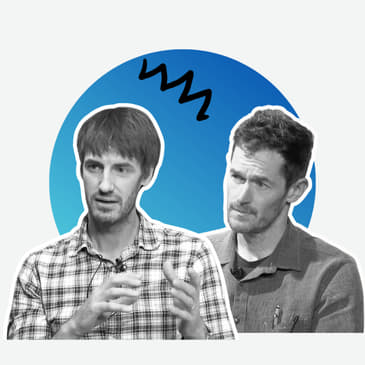
Morgan Law and Steve Scribner of Shape Architecture join host, Adam Wagoner on the show to discuss their unique approach to sustainability including Passive House and Net Zero concepts. The two delve into their personal and professional journeys sharing their unique paths from construction to architecture, On this episode, we unpack Steve's early career in the architectural world, Morgan's cross-country job hunt during a recession, to designing and constructing buildings across continents.
Listen on Apple Podcasts | Spotify | Amazon Music | Pandora or wherever you get podcasts!
Watch & subscribe on YouTube
Check out Adam's firm, High Low Buffalo!
This episode is sponsored by Modern in Denver Magazine and Signature Doors and Windows
https://www.modernindenver.com/architect-ing-podcast/
VISIT ARCHITECT-ING.COM
See Privacy Policy at https://art19.com/privacy and California Privacy Notice at https://art19.com/privacy#do-not-sell-my-info.
[00:00:00] Just the simplicity of it compared to other standards, I think it's been really appealing
[00:00:10] both from on the design side but also the air tightness level that has to be hit with
[00:00:15] the standard is like a real challenge for builders and so if there's builders that
[00:00:20] aren't interested in doing that, that's kind of a sign in terms of like their level
[00:00:26] of quality, their interests around green building whatever it is but the right builders get really
[00:00:31] excited about it.
[00:00:32] Hi, hello, hello, hello, hello and welcome to ARCHITECT-ING.
[00:00:42] Hi, welcome to ARCHITECT-ING. I'm Rebecca Wagner here with the host Adam. Hey Adam,
[00:00:48] who's on the podcast today?
[00:00:51] Hey, I just saw this thing on LinkedIn where it said that podcast hosts need to do a better
[00:01:00] job of introducing themselves in their podcast because we assume that every person listens
[00:01:07] to every episode but some people, this might be your first episode here.
[00:01:14] Yeah, Adam, who are you?
[00:01:16] I'm to ARCHITECT-ING. I am Adam Wagner, I am an architect, I have a new architecture
[00:01:24] firm called Hi-Lo Buffalo and I teach at the University of Colorado Denver and this is
[00:01:35] my more talented wife, Rebecca Wagner. Who are you?
[00:01:41] Oh, I just do the intros.
[00:01:43] You just does the intros? I can only afford to pay her to do the intros because she's
[00:01:49] the young architect of the year for Colorado and works at the firm Gensler so I can't
[00:01:56] afford her billing rates to do the whole podcast, just these intros.
[00:02:01] So what was your question?
[00:02:03] Who's on the podcast today?
[00:02:06] We have Morgan Law and Steve Scribner of Shape Architecture. You know them?
[00:02:13] I know of them.
[00:02:15] They along with you swept the awards that they had this year, they had a lot of projects
[00:02:25] win awards. They've been grinding with Shape Architecture for a while, they have a pretty
[00:02:33] interesting story that they will get into of who was the initial founder and then someone
[00:02:39] left and the other person took over and came back and blah blah blah. You'll hear that
[00:02:45] one, a good story, a pretty unique story there. But yeah, I mean these are just
[00:02:52] two really solid architects who really think about craft and think about the way
[00:03:02] building solid projects, buildings, houses, some small commercial spaces but doing a lot
[00:03:10] with like passive house and thinking about sustainability in different ways and really
[00:03:16] building out their small firm.
[00:03:19] Cool, I'm excited to hear it.
[00:03:20] Yeah, good stuff. And like I said, yeah, go check out my new architecture firm,
[00:03:26] high low, buff low dot co. That's the website. I'm doing a lot of design consulting these
[00:03:33] days. So if you're just sitting in your basement of your one person architecture firm or maybe
[00:03:41] you have a larger architecture firm but are just looking for new ideas, hit me up,
[00:03:46] schedule a meeting or coffee and let's talk about how I can help you and enhance
[00:03:53] the things you're already doing. So check that out.
[00:03:56] Cool.
[00:03:57] Sounds good. See ya. Enjoy.
[00:03:59] Hey, this episode is brought to you in part by Signature Doors and Windows and Modern
[00:04:05] Denver Magazine now onto the show.
[00:04:09] Thanks for coming in. How many times have we scheduled this?
[00:04:14] We tried. I think it's only number three. And it's only because of the specialness
[00:04:20] of this place because Morgan was going to call in. We were going to be able to hold our appointment.
[00:04:25] But Morgan was going to be in Leadville and he wouldn't have the bright lights to keep
[00:04:29] him.
[00:04:30] Yeah, we heard rumors about the new studio.
[00:04:32] They're going to hold out.
[00:04:34] Yeah.
[00:04:35] So you live in Leadville, right?
[00:04:37] And then what's your week look like?
[00:04:40] Oh man, good question. So yeah, I'm up there and then I come down once a week,
[00:04:44] every week. And I come down usually on Wednesday and stay overnight, stay at Steve's
[00:04:50] house, with him and his family, and then go back up Thursday.
[00:04:54] Just pull an all nighter, all nighters and then go back and see the rest of the weekend.
[00:04:59] It turns into that every Wednesday night.
[00:05:01] How did it get to be midnight?
[00:05:02] Yeah, just study home every week.
[00:05:04] Like sleepovers.
[00:05:05] It is great though because if Morgan lived in Denver, we wouldn't have that time
[00:05:11] where we're drinking beers and getting honest and into some of the stuff that
[00:05:18] we do.
[00:05:19] Yeah, we sort of don't have time for it in the day.
[00:05:22] I didn't think about that because that is really important.
[00:05:25] You know, like I had this other partner for the last two years and we broke up.
[00:05:30] And that was probably the hardest thing where you never had that just like down time to
[00:05:37] drink a beer or just talk about something.
[00:05:39] It's always like, hey let's jump on Zoom and I've got half hour or whatever.
[00:05:44] Right, and everyone's distracted and working on different stuff.
[00:05:47] Yeah, it's hard to...
[00:05:49] And you know, we're good friends and we're still good friends but I heard a thing of if you
[00:05:58] need like good experiences to overdo one bad experience.
[00:06:02] And it's hard to have those many good just over Zoom or email or something.
[00:06:07] I can't imagine that fully remote.
[00:06:11] We would never have designed our practice to have evolved the way it has but I do feel
[00:06:17] like it's kind of like best case.
[00:06:19] You know Morgan actually gets to get work done three days a week.
[00:06:22] Yeah, exactly, totally.
[00:06:24] He's only driving two days a week.
[00:06:27] Yeah, yeah, driving all day.
[00:06:29] Yeah, totally.
[00:06:30] Because how long is that drive?
[00:06:31] It's like an hour and a half.
[00:06:33] Oh okay.
[00:06:34] Yeah, it's not bad.
[00:06:35] I mean I don't mess with the rush hour or anything.
[00:06:37] Yeah.
[00:06:38] It's nice.
[00:06:40] There's always a dozen people you probably should call but you never make time to do it
[00:06:45] while if you have an hour and a half drive he actually makes those phone calls.
[00:06:49] So does that go the other way?
[00:06:50] Are you going up there much?
[00:06:52] No.
[00:06:53] I mean you don't have as nice a basement for him.
[00:06:56] Yeah, exactly.
[00:06:57] Yeah, the crawl space is not really...
[00:06:59] Actually that is not true.
[00:07:00] It's way better accommodations than when it's in extra bedroom.
[00:07:04] What prompted that move up to Leadville?
[00:07:06] That's a good question.
[00:07:07] It's kind of a long story.
[00:07:08] How far back do you want to go?
[00:07:10] Yeah, most recently my wife got a job up there and we were actually living in Washington State
[00:07:15] at the time.
[00:07:16] And so pre-pandemic I wouldn't have thought that Leadville could work and kind of keep
[00:07:22] a functioning business in Denver.
[00:07:24] But yeah, I was like basically came back and I was talking to him about coming back
[00:07:30] to the firm and bagged and pleaded to see if he would let me back.
[00:07:34] He took me back.
[00:07:36] Just really nice of him.
[00:07:38] I've only broken my heart once.
[00:07:41] So yeah, we...
[00:07:42] And it's been great.
[00:07:43] I figured I'd be up there working on stuff down here but I think I'm maybe still the
[00:07:47] only architect in the county.
[00:07:49] So that's not a big county but...
[00:07:51] Yeah, all right.
[00:07:52] Yeah, it's cool to be working up there and just be a little bit closer to some
[00:07:55] of the communities there.
[00:07:56] Well, we're getting ahead of ourselves here.
[00:07:59] Your wife will get mad at me if I don't ask you the hard question first.
[00:08:04] Yeah, Stacey already had to do it with Super Bloom.
[00:08:06] But so yeah, so who are you guys?
[00:08:10] How are you going to answer that?
[00:08:12] Go ahead.
[00:08:14] I guess I'm a manor.
[00:08:16] I'm from Maine.
[00:08:17] You can take the boy out of the state but to me that's like I'm like a do-it-yourself
[00:08:24] or a tinkerer.
[00:08:26] I like the road less traveled or the up being off the beaten path.
[00:08:30] I like following the game trails when hiking, you know, bushwhacking.
[00:08:34] I can fix anything.
[00:08:36] My wife, she says I like things that suck.
[00:08:40] I don't think they suck.
[00:08:42] But I guess it's sort of like yeah, if something is going to be hard or uncomfortable
[00:08:48] like maybe it's for me.
[00:08:51] Morgan?
[00:08:52] Yeah, I guess...
[00:08:53] You like the easy things in life?
[00:08:55] Yeah, exactly.
[00:08:56] I don't really like things that suck.
[00:09:00] Yeah, I guess I'm a frugal New Englander as well from growing up but yeah, I'm a father,
[00:09:09] husband, architect, passionate guy about design and getting outside.
[00:09:16] So where did you grow up then?
[00:09:18] New Hampshire.
[00:09:19] Just right down the road from this guy.
[00:09:23] New Hampshire.
[00:09:24] You're all yourself on New England, huh?
[00:09:26] There's all these New England jokes.
[00:09:29] It's way too far away from me.
[00:09:30] I've grown up in Kansas.
[00:09:31] I'm like I think that's English.
[00:09:33] I think it's a joke.
[00:09:34] I don't know but...
[00:09:35] Yeah, it's totally...
[00:09:36] There are some levels there.
[00:09:37] It's like I've been driving for two hours and I've been through three states.
[00:09:41] What's going on here?
[00:09:42] Right.
[00:09:43] So yeah, New Hampshire was the same sort of like game trails, like hiking outdoor
[00:09:52] stuff.
[00:09:53] Yeah, there was a lot of that.
[00:09:54] There was a lot of like just growing up in the woods and building stuff and having free
[00:09:59] time, unstructured playtime and very rural setting and yeah, it's great.
[00:10:06] What were you around?
[00:10:07] What did your parents do or did you have much of a connection to say architectures early
[00:10:13] on?
[00:10:14] Yeah, no not really.
[00:10:15] Yeah, again, it was just like there was a lot of fort building.
[00:10:18] I remember when I was like 12 or something about this three-story fort.
[00:10:23] And I was down there with different levels on it and everything.
[00:10:24] And like eventually brought candles in there to like light up and the whole thing burned
[00:10:28] down.
[00:10:29] Very, very tragic.
[00:10:31] Ever since you've been really in a building building.
[00:10:33] Yeah, exactly.
[00:10:34] Totally.
[00:10:35] Right.
[00:10:36] Yes.
[00:10:37] Learned a lesson quickly.
[00:10:38] Exactly.
[00:10:39] So yeah.
[00:10:40] No.
[00:10:41] You know my mom was a teacher and my dad was like not only in the picture when
[00:10:45] I was younger.
[00:10:46] So yeah, I don't know.
[00:10:48] I don't know where...
[00:10:49] I did get very much into art and I studied art and undergraduate, art and sociology.
[00:10:53] So yeah, from a very early age I was always drawing and stuff like that.
[00:10:57] So I think it eventually emerged and I think if maybe if I had grown up somewhere where there was like
[00:11:02] architecture had more of a presence I would have discovered it but it just wasn't.
[00:11:06] Maybe it'd be a good architect today.
[00:11:08] Yeah exactly, totally.
[00:11:09] He still doesn't forgive me for leaving him.
[00:11:11] Yeah totally, it's sensitive.
[00:11:13] Well I feel like even, you know, this is going to be I think you guys might be the 70th episode
[00:11:21] but like something around there.
[00:11:23] But there's very few people I'd say who had an understanding of what architecture was early on.
[00:11:28] You know it's not a, you might know that one architect or something and maybe see something.
[00:11:36] So then how did architecture come into the picture?
[00:11:38] What would you do for undergrad?
[00:11:41] So yeah I studied drawing and sculpture and sociology at the small liberal arts school
[00:11:47] in Pacific Northwest in Portland.
[00:11:50] And yeah that was great and I, you know after leaving that I was like I'm gonna be an artist
[00:11:55] and it's all gonna work out.
[00:11:56] I was like what is that?
[00:11:58] What are they telling you is going to happen after that degree?
[00:12:01] Yeah exactly.
[00:12:03] Yeah some questionable choices but yeah no I started, I got like a show in Portland
[00:12:08] and it was like working as an artist and you know.
[00:12:11] Portland, Maine?
[00:12:12] Portland, Oregon.
[00:12:13] Yeah sorry so I was out there and you know I was filling it in with various jobs.
[00:12:17] Some of them were construction and so those two things just kind of kept going and
[00:12:23] I actually found my way out to Boston so I was working at the ICA in Boston,
[00:12:28] the art museum there and building installations and.
[00:12:31] In the new building?
[00:12:32] It was actually both so it was like just as that we're still in the old building
[00:12:36] so I was working there and then basically transitioned to the new building and then.
[00:12:40] So during that time yeah I was like still doing art but building stuff you know I saw
[00:12:45] an inconvenient truth Al Gore's movie and I was like well shit these buildings are terrible.
[00:12:50] Like somebody should do something you know and so I kind of thought that it would might
[00:12:55] you know blend all these different things that I was working on and yeah applied to schools and
[00:13:00] went from there.
[00:13:01] So then yeah Steve you're growing up in Maine, living out in the wilderness,
[00:13:08] six days a week coming back once now.
[00:13:11] Yeah what are you growing up around?
[00:13:12] What's life like?
[00:13:15] I grew up with a healthy disrespect for architects.
[00:13:19] I was like my dad is a math professor but he actually he moved to the town I grew up in
[00:13:25] not with a job and so to like make ends meet he was buying old like really crappy
[00:13:30] farmhouses and like flipping them but he wouldn't call it flipping them renovating
[00:13:36] and selling in like super on the cheap.
[00:13:39] Buy a house for like five thousand dollars.
[00:13:41] They literally bought the house I grew up in for seven thousand dollars.
[00:13:43] Wow.
[00:13:44] And so but these just absolutely marvelous New England farmhouses like to this day there's
[00:13:50] not any kind of architecture that speaks to me more than easily like the house I grew up in
[00:13:55] these kind of sagging roofs but perfect proportions just like a kind of like salt box kind of
[00:14:02] form or I mean my dad calls it a cape but just like you know a classic gable simple
[00:14:06] simple form there's always like a classic two-story gable a one-story kitchen and then
[00:14:12] a link and then a barn and it's a pretty you know there's like mix and match on that formula
[00:14:20] but they're just they're like a long lost friend you know these old houses that just have so much
[00:14:25] soul and character and they're made by hand and they have like two foot wide boards windscoting
[00:14:31] like there's no very little drywall never there wouldn't have been drywall originally
[00:14:35] house I grew up in my dad had renovated and it had you know drywall ceilings between these
[00:14:40] hand-hewn beams and the one I grew up in was built by a farmer not a builder so it's like
[00:14:44] wasn't built very well but it still has this like they just did they just like did it so
[00:14:50] pragmatically and beautifully and it's just like so well situated in the land that um
[00:14:55] yeah as a kid I remember really disliking minor architecture but I was around that
[00:15:00] like experience of building and my dad was always fixing up the house or working on a
[00:15:04] workhouse until he got a full-time job and wasn't doing that as often but
[00:15:08] so I always I thought I would maybe want to be a builder when I was growing up
[00:15:12] somebody ever thought somebody suggested I was like in an art class or like you should be an architect
[00:15:16] and I was like architect it's like oh I mean I am yeah I mean that that was like a big statement of
[00:15:22] saying like I grew up like disdaining architects but it wasn't like you you came in contact with
[00:15:27] any architect it wasn't like somebody like built an architect built a house next to you or like
[00:15:31] tore down your home and built something new but it's but it was sort of more of the
[00:15:37] like I guess if you were growing up and looking at what sort of avant-garde architecture was
[00:15:41] that's where you were yeah so foreign well and then the new houses that were getting built
[00:15:45] they weren't really architected there was like new really in rural Maine pretty crappy right so um no
[00:15:51] offense maynards but at the time you know like they're just gonna lose that whole audience
[00:15:57] we already lost on the tv yeah yeah uh so that wasn't really something that was interesting
[00:16:03] but I think construction or engineering I ended up wanting to be an engineer and went to
[00:16:09] college in Connecticut to and I was a physics major because that's sort of like I really just
[00:16:15] liked figuring things out and understanding how stuff worked and I didn't know what it wanted to be but
[00:16:19] understanding how the world worked seemed great so that's how I so I ended up doing that and
[00:16:27] then while I was there I took a class in architecture because it seemed like the best way to get my
[00:16:32] arts credit that I needed my one required like humanities and arts thing and uh I really liked
[00:16:38] it and I really liked building models especially I like I remember my projects were horribly uncreative
[00:16:44] but I was just gables over and over yeah I remember we had like the building a cardboard
[00:16:50] chair assignment and I built like this gable old wingback chair I bet you would like in a from
[00:16:56] like a smoking loud 20s or something it was like so not well designed but it was really robust
[00:17:03] just like those beams in your house exactly the same as your little farmer's chair yeah
[00:17:09] but my professor suggested after at the end of that she was like well like I got a B or something
[00:17:15] she's like but you're really gonna make models like I could probably get you an internship as
[00:17:19] a model maker I was like oh my god I could get paid to do that that I can't think of the more
[00:17:24] fun thing she's like kind of paid as a stretch and I was just like it was just like okay that's
[00:17:31] what I'm gonna do for this year after I graduate well I figure out what I'm gonna do not that I
[00:17:35] want it because I knew I didn't want to do physics it was just like too myopic how far into physics
[00:17:39] would you get I have a bachelor of arts so it's like pretty light duty I mean it gets it was
[00:17:46] really stinking hard it was very challenging mental work but um I never was an expert in
[00:17:53] anything any one thing but I did know that I didn't want to be an expert in any one part
[00:17:57] of physics it's just like yeah it's too zoomed in so being a model maker sounded great so I was like
[00:18:05] okay cool like I'm ready for that connection I'll take that job and she was like all right it's for
[00:18:10] this company called Caesar Peli and they're in New Haven really and I was like I will never live
[00:18:15] in New Haven never I'm a painter and I was like I've read all these like western stories
[00:18:23] like I used to love reading western novels in Maine is Connecticut west
[00:18:29] in the west of the West of New Haven is not checking that box so I had a friend that lived in Colorado
[00:18:37] that I decided I would like go stay with her for the summer and just live in Colorado and I would
[00:18:43] get that model making job so I like when I graduated from college I remember I went on this road
[00:18:48] trip with my girlfriend at the time and I drove to like every single town in the greater west from
[00:18:55] Oregon and Montana Idaho Colorado and applied for jobs in all the towns that I thought I could want
[00:19:00] to live in and everyone basically laughed me away they're like as a model maker as a model
[00:19:05] maker did you take the job with Caesar Peli no no just hauling his massive heavy chair around in
[00:19:16] his back of his I had this like horribly crappy portfolio that I worked on forever and it was
[00:19:21] like a physical piece of paper in it and um and yeah it's like there's a couple I almost got a job
[00:19:27] offer at a couple places um where they were like well we need an office manager um you take out
[00:19:32] the trash yeah but I did end up I had lived for a summer in Durango before I graduated so I ended
[00:19:40] up back in Durango it was like I guess I'll work for the construction company I worked for
[00:19:44] there again but I called all the architects in the phone book there throughout of like why not one
[00:19:51] last try and I actually the last person that the last phone number in the book wasn't the last one
[00:19:57] but I like missed the second one go back to it he ended up like somebody had quit given a two week
[00:20:03] notice he needed somebody cheap so he hired me and I was able to deny me as a model maker
[00:20:08] and that's how I ended up as an architect and that's how I'm here right yeah exactly um great guy
[00:20:16] firm is great um who was it was bad timing for him and good timing for me uh it's it's
[00:20:22] brookie architecture and planning okay Dean brookie out of Durango so it was like really an
[00:20:26] awesome experience I I felt so lucky to be part of being an architect knowing that I had no right
[00:20:33] to me and uh yeah do you have more sympathy for those portfolios that come in now that uh
[00:20:41] I just have one chair and like uh no they're all better than framing they are all better than mine
[00:20:46] yeah it's amazing that actually I do have that experience sometimes especially like in the first
[00:20:51] couple years when I would see um resumes to work for shape and being like wow these are all
[00:20:58] way better than my resume ever was in my portfolio and these people are having a hard time getting
[00:21:04] into it they want to work for us like yeah well and it's funny at least at least you're saying
[00:21:10] that you knew you didn't quite deserve to be there like I've had an experience like right
[00:21:16] did I did seven years of architecture school and then was working in Mexico City for Tatiana
[00:21:22] Babala and wow just surprisingly somebody like there's a high school student who only applied to
[00:21:30] Harvard didn't get in needed something to do over the summer and had a friend of a friend at her
[00:21:36] office and so she came into work and I'm sitting there after like two master's degrees and I'm
[00:21:42] cutting just cutting foam like making models and she's from the same thing next to me and she
[00:21:47] and there's one thing where she was using something in CAD I guess she knew CAD and
[00:21:51] and she was like how do I print this like at quarter scale whatever and I was like I don't
[00:21:56] I don't know like it like I had to figure it out every time I have Revit I don't want to I need that
[00:22:01] and she was like oh I see what an Ivy League degree does for you or something I was like
[00:22:06] like what am I doing with my life she's doing the exact same thing as me at this high school
[00:22:11] but she did end up going to the AA and like I think she's a really good architect now but so
[00:22:27] hey we're happy to be sponsored by Modern and Denver magazine for over a decade they've been
[00:22:32] crafting fantastically curated content on Colorado designers and projects spreading the gospel of
[00:22:38] good design within our region and I love how the goal of Modern and Denver aligns with the goal of
[00:22:43] this podcast to better build up and connect the community of Colorado designers so go buy a copy
[00:22:50] of the magazine at your local bookstand subscribe to their weekly email list and follow them on
[00:22:55] Instagram check it out but uh so you were both sort of like that's funny coming at it from
[00:23:05] different ways and then sort of hovering around architecture so then Morgan what what when you
[00:23:11] decided to go to grad school where'd you go and sort of what pushed you in that way yeah um you
[00:23:18] know I applied to a couple different schools and ended up going to University of Oregon and Eugene
[00:23:23] just mainly because of the sustainability focus and I was like this is what I you know
[00:23:27] was really passionate about at the time so um yeah ended up there and it was awesome I had a
[00:23:33] really great experience I was working for this guy named Gary Moy you know through during the semester
[00:23:40] some of the semesters over the summers and he had worked in Louis Kahn's office for a long time so he
[00:23:46] was like you know very old school um and you know he would just like you know you'd like bring him
[00:23:51] your drawing and he would just like crumple it up and you know he'd leave me like newspaper
[00:23:56] articles at the end of the day that I'd have to go home and use graph paper and like write
[00:23:59] out the articles and are you serious so yeah it was it was really and I was like you know like to
[00:24:04] practice your lettering or yes to practice my lettering wow so I was using like programs at school
[00:24:09] during the day and then like doing this you know during summers and nights or whatever days off
[00:24:15] and you know at first I was like wow it's intense you know but then like some of the other
[00:24:18] professors would come into our office and that they were doing projects on and like
[00:24:23] you know Gary kind of treated them the same way so you know it was like all right so maybe this
[00:24:27] isn't so bad and the economy was terrible so I was like whatever I have a job like I'll you know
[00:24:32] and and so yeah it was it was great I learned like actually how to draft actual line weights and
[00:24:37] pencils and you know it was a great great position and then yeah I was also able to teach
[00:24:44] pretty much every semester while I was there which was great grad school cost me almost nothing
[00:24:49] and had amazing experiences teaching with undergrads and studio experience and yeah it was slept
[00:24:55] time just totally yeah yeah never never broke out in hives ever yeah it was awesome never cried in
[00:25:00] the bathroom yeah exactly he lived with the women some of the women's rugby team yeah he did less
[00:25:08] sleep kicking better yeah yeah this fantastic house of like these they were all like undergrad
[00:25:14] architecture students but also on the rugby team and they were just a blast one of them works
[00:25:19] in steamboat now I'm still friends with her we just started the AA conference oh cool just so
[00:25:22] fun to run into her but yeah it was just it was like college part dick kind of for me you know which
[00:25:27] is it was just like great being around this bigger university and um yeah just really really good time
[00:25:33] so I feel like you came you came in to grad school with maybe maybe some big expectations of
[00:25:38] especially on the like sustainability front for sure and I feel like and I and I want to dive
[00:25:45] into this with you guys but you know people will say like yeah like I want to be a sustainable
[00:25:51] architect I want to do this and it's it's very hard to actually dive into that in a certain way
[00:25:58] or find that school that really does it right then like figuring out how much architects can really do
[00:26:05] so we're were you surprised well did you get out of organ what you thought you would or
[00:26:15] I did actually how were you surprised yeah I mean I didn't have a lot to compare it to obviously
[00:26:22] in terms of like other like architectural education experiences at that point but yeah no I mean I was
[00:26:27] working in like the energy studies building laboratory that was on campus and um you know
[00:26:32] there was like all these like very well known you know kind of sustainability experts that
[00:26:36] were around and taking classes with them my thesis project was with uh Miller Hall
[00:26:42] and working on the bullet center in Seattle which was like a living building which was like yeah I mean
[00:26:48] it was that was really disheartening and also very inspiring at the same time just because it was such
[00:26:54] a it's the standard is so challenging and to see these like amazing architects working on it and
[00:26:59] us also supporting it from from the energy modeling side but also from the design side
[00:27:05] you know it was I think I glimpsed at how like exactly what you're talking about like
[00:27:09] just how challenging it is didn't navigate that but I think it it prepared me probably better than a
[00:27:15] lot of other places in terms of like pursuing sustainability architecture right and then Steve
[00:27:22] so then you're hanging out in Durango chilling as a fake architect underground when pretty much
[00:27:31] what's next for you how long do you stay there and then what well kicked you out so that was
[00:27:37] interesting because it was great I love living in Durango I was learning so much I was actually
[00:27:42] using ArchiCAD which is interesting because what we use now right randomly and then but I had moved
[00:27:49] there with a friend group out of college and one of those friends is Morgan's wife so I was friends
[00:27:54] with her and undergrad and then we were like she was working as a natural builder and doing
[00:27:59] adobe construction and my buddy was a geologist he was doing a carbon tree or something like
[00:28:05] his girlfriend and then whatever I think I think Kathleen actually got a job in Telluride and then
[00:28:12] I was at the same time this guy that I worked with like he was like a contract worker for Dean
[00:28:18] Brookie for a little bit he was like oh I just talked to this company in Telluride you've got
[00:28:23] to go talk to this one he's like so cool doing like these amazing projects it'd be like
[00:28:29] such an opportunity he's like and I can get you an interview I was like that's interesting
[00:28:33] this is coming up at the same time as like Austin also wanted to move to Telluride and so we ended
[00:28:38] up like I was like I'll talk to him and so I ended up having this like amazing conversation with Tommy
[00:28:44] Hein it was very philosophical I remember like I don't remember the conversation absolutely but
[00:28:49] I just came away so inspired and decided to move to Telluride so after about a year in Durango
[00:28:54] I ended up moving living in Telluride for like four years and actually through we also didn't
[00:29:01] need for you to have an architecture degree well it was amazing like I had I had worked for a year
[00:29:07] and was gotten pretty like savvy with the software and was able to like do good elevations you know
[00:29:14] and I could do a wall section like I think I was a pretty smart hire and it's really hard to hire
[00:29:19] people in these mountain towns like who lives there that's an architect that can do stuff
[00:29:23] right um and I think he had a bunch of actually pretty qualified people working for him but
[00:29:29] just like a drafts person that was like a pretty good Kamavi for I was like I will be your draftsman
[00:29:35] yeah you know and he was that kind of Tommy Hein does he's a very highly talented architect like
[00:29:41] really but one of those more like figurehead type practices where it worked it was a great
[00:29:47] relationship he would come to me with a sketch and I would draft that up and it was like I
[00:29:51] could understand where he was trying to say and what his ideas were and like um but uh
[00:29:58] yeah so I ended up moving up there um worked for him for four or five years and I kept thinking like
[00:30:06] this will be a year and then I'll go figure out what I want to do but like as I kept progressing it was
[00:30:10] like getting to be more and more rewarding being an architect and I was like okay I guess this is
[00:30:14] maybe maybe this is what I'm going to do met my wife there she ended up also working for
[00:30:21] actually she was like we were in this friend group she was actually I think I met Kathleen
[00:30:25] was friends with her before she moved to town and then we ended up um living together in this roommate
[00:30:31] situation and she got the office manager job for Tommy um and after a few years we both independently
[00:30:37] decided to that it would be a good idea to buy a house and we weren't even dating at the time
[00:30:43] but we did end up deciding to buy a house in Ofer which is like a valley over from Telluride
[00:30:48] way cheaper in the early 2000s it was affordable ish um between the two of us like people pulling
[00:30:54] reserves we were able to do that and um I like ended up and what was cool about Tommy is I I gave
[00:31:00] him my notice and he was like no don't leave and I was like okay I'll work half time so I worked for
[00:31:05] two weeks for Tommy and then two weeks at a time my buddy Austin and I renovated the house so we
[00:31:11] ended up like tearing every single stud out we did all the wiring we did the the west wall
[00:31:17] we like took it out completely it was this old log house built by miners in the 60s rebuilt
[00:31:22] it um there was like no insulation for the first winter so we just like made a lot of fires under
[00:31:28] color whiskey on toddy's um so why'd you ever leave yeah exactly it was a little bit of a dream
[00:31:37] um I think Stacy actually ended up like initiating and being like I want to go back to grad
[00:31:42] school she was interested in architecture so she did the summer program at Columbia
[00:31:46] and then decided she didn't want to do architecture and that she would want to do
[00:31:50] planning instead so she was like I'm gonna apply for grad school I guess I should get a degree in this
[00:31:55] too having like I can't even apply I can't even get licensed right because I didn't even have an
[00:31:58] undergrad so I um so I applied it all over the country um and we figured we'd sell the house
[00:32:07] when we finished it and go to grad school um and like help it it would help us pay off our
[00:32:13] pay for our school the selling the house thing didn't work because it's 2008
[00:32:17] and it still didn't have a west wall west wall came out great
[00:32:24] there was a little more insulation in it too but the uh the economy wasn't good it was like right
[00:32:30] when they crashed doesn't need yeah so it was a great time to go back to grad school yeah it was
[00:32:33] perfect time because I just like I had applied at schools I'd gotten in here in the air ended
[00:32:38] up at the time you go to Parsons in New York um Henry Smith Miller it was the interim uh what is
[00:32:46] it called like program director and he he like convinced me I was like no I don't want to go to
[00:32:51] New York I only applied to New York because my wife had applied somewhere in New York and then didn't
[00:32:55] want it like that didn't she didn't want to go there so I was like I'm not going to consider that
[00:32:59] I'm like a manor but but he called me up and he was like no you should come here because this
[00:33:08] is like this melting pot is like New York City is where it's happening and you he like lied
[00:33:13] to me he said I had a lot of potential it's like I see yourself made man like you gotta come here
[00:33:18] I don't know what he was thinking but I did end up um deciding that was going to be more interesting
[00:33:24] it's the path less travel there you go well I don't have a great uh understanding about Parsons
[00:33:31] of like what what is it what is it and like what drew you there and what what did you get out of
[00:33:37] it you know I applied there because they had a really great design build program and I thought
[00:33:43] they it was like I went around and there were still all these programs that were like a little too artsy
[00:33:48] for me and I was like this pragmatic kind of guy a physics major you know and I like really
[00:33:53] thought I would want to go to like like MIT and I remember seeing models there and being like
[00:33:59] and then or Columbia and I know physics yeah exactly I think it was a little I was like I'm
[00:34:08] working as an architect I'm gonna be like get in and then I think I so I ended up I got into
[00:34:13] pretty good schools but I was had no like artistic abilities it was all just elevations
[00:34:24] I remember working in my portfolio and I was really proud of it and I was like putting
[00:34:27] in plants and elevations of these projects in the sky who I worked with like was like oh can I see
[00:34:31] and he looked at me and was like you're not gonna get into school anyway like two days and he's like
[00:34:37] I don't know you need to start over you need an idea here show like your own ideas like not just
[00:34:43] your bosses like you need to have some graphics to this like and I was like shit this is due
[00:34:50] and he's like okay well I'm gonna give you my computer that has an illustrator on it
[00:34:55] you're not gonna use like word and you're gonna start over and here's an example he gave me like
[00:35:00] if he was like here's a few examples of portfolios and I started over and like worked
[00:35:04] overnight for a couple days and I got into like half the programs which would have been zero
[00:35:10] so yeah for that but yeah no Parsons is like they I think it's like a great it's like
[00:35:16] all the professors are practicing architects in New York and they're really some some great
[00:35:21] names like LTL is there I'm loving bets you know Renfro was there for a little while I'll
[00:35:27] raise lip good so I was attracted to like having that like level of caliber but also the they're
[00:35:33] all practicing and they're really about like not just they they want to push your ideation
[00:35:40] and there's some conceptual rigor but there's like not I felt like it was this great balance
[00:35:45] and because they had this like design build program I could tell that I didn't know that I
[00:35:49] needed to do it I like did my own design build program already but at least I could
[00:35:53] is it was a value to them which made it sort of feel like aligned with what I wanted to do so that's
[00:36:00] and I think when I when I went out there to check it out I was I was kind of confirmed for me
[00:36:05] and I would say it it did it was those things and I'm really glad I chose to go there which
[00:36:11] was kind of like barely ended up deciding to do that but it was a good time there as well in terms
[00:36:19] of like who is coming through right it there's just so many schools out there and they can they can
[00:36:24] influence you so strongly and it's crazy where you drop and how it molds you but so then Morgan
[00:36:31] you you graduated with all these ideas of sustainability and and and psychology and
[00:36:41] art and where did that leave you lead you what did you do after that kind of like a street corner
[00:36:46] on Portland in Portland Oregon with the rest of the architects yeah exactly yeah but yeah 2010
[00:36:53] which was like yeah super awesome time tried to try to get a job can I stay in school another year
[00:36:57] exactly 2008 yeah yeah well no I graduated in 2009 graduated yeah yeah so yeah some more time
[00:37:04] about him yeah yeah no I know they were like you've got to get out of here so that was unfortunate
[00:37:09] yeah so I spent you know a couple months in Portland looking for work and like you know how these fun
[00:37:15] interviews and they're like portfolio looks great like you know if the world wasn't ending we'd totally
[00:37:20] hire you so yeah you know it was definitely a tough time just financially and you know psychologically
[00:37:28] like coming out of graduating and all that kind of momentum and yeah but luckily I did have a buddy
[00:37:35] who got a job in Portland Maine the other the other Portland yeah and so he he actually like kind
[00:37:44] of hooked me up with a firm there um Kaplan Thompson architects is like a smaller firm
[00:37:49] out of Portland and they were actually looking for someone and um yeah and there's not that many
[00:37:55] people in Maine so you know they were like cast a wide net and they had one architect leave
[00:38:00] exactly totally totally um so yeah I like you know I obviously talked with them and then
[00:38:07] decided to move across country for that job because I was like I think it's one of the
[00:38:11] only jobs right now so but yeah it actually you know they were they had a really great focus
[00:38:17] on sustainability one of the two principals was also from University of Oregon and they were really
[00:38:22] trying to push Passive House on the on the east coast in New England and we're doing like you
[00:38:28] know really pretty progressive things that I could see from from other firms you know at
[00:38:34] that time and yeah so I was there for four years and it was a great experience I learned a ton
[00:38:41] you know we did one of the first passive house schools in the country which I got to be part of
[00:38:47] yeah it was like the one of the project leads on that um you know we're doing like multi-family
[00:38:52] passive house and single family stuff so obviously I didn't know at the time and I never set out to
[00:38:57] like start my own firm you know back then I was just like so it's like I have a job and just
[00:39:01] wanted to like learn but it was a very similar kind of structure to our firm now and a lot of
[00:39:06] weird ways and you know so we were yeah there was that balance of doing like single family and
[00:39:11] doing stuff that was like a little bit more exploratory and um out on the design edge and then also like
[00:39:17] trying to get very rigorous about you know multi-family and but also pushing sustainability
[00:39:22] balance with like boundaries with like schools and stuff like that so um yeah I felt super
[00:39:29] lucky to be there for almost four years so yeah so then when did you start your own firm
[00:39:36] yeah after that yeah so that was like 2014 I think I came out my wife who is spent a lot of time
[00:39:45] in Colorado was like we need to get back to Colorado I can't take me anymore it sucks
[00:39:51] there goes literally tell your friend right there yeah yeah totally um so we moved back
[00:39:57] and you know I was starting to looking around for jobs and the economy was decent but I couldn't
[00:40:02] really find any firms that intrigued me that much well was it here in Denver yeah in Denver
[00:40:08] and then I had a friend from undergrad um this guy Noah Manos who's still a great friend of mine
[00:40:14] we started a design build company because I was just like you know I was been in an
[00:40:19] office for four years just head down super you know super deep and passive house and design and
[00:40:25] you know he he was able to buy a property actually just a couple blocks from here five points and we
[00:40:33] we kind of kicked off this design build business so we you know we demoed the property
[00:40:38] and he basically gave me a lot of free reign to design this high performance single family home
[00:40:44] on this corner lot and five points so I owe a lot to him and he had a really great network here
[00:40:51] you know like friends with a lot of a lot of old like Denver folks natives and you know
[00:40:57] heard Christian Butler was on here and he was like one of the first guys I met through Noah
[00:41:01] landing in Denver so yeah it was it was a very different experience you know doing the design
[00:41:08] build we would like what was that firm called um that was called paper airplane and still exists
[00:41:14] yeah and Noah's really kind of taking it on and is he in like Kansas City now yeah he's doing
[00:41:19] a project out there yeah because you're from Kansas too right yeah yeah in Kansas and I yeah I have
[00:41:24] a friend of a friend that keeps talking about him and I had run across to you guys's work yeah and
[00:41:29] then yeah yeah yeah yeah so he's he's you know that's he's still running that business and
[00:41:35] we've done some collaborations together with him over the years but you know we this was
[00:41:41] all pre-steve and so we started out and uh you know we were working on this house and
[00:41:47] yeah like it was just a very different experience one day we rented this cherry picker and we were
[00:41:52] trying to take down this tree on site and like you know we're up 30 feet and I've got like this big
[00:41:57] big ass chainsaw you know like not the little electrical ones the big ones and like Noah's like
[00:42:01] holding my waist and I'm like leaning out trying to get these branches and there's like a
[00:42:05] little crack redoing Titanic with chainsaw exactly totally there's this little crowd
[00:42:10] like forming on the street and like you know it was just like wow this is very different
[00:42:14] than two months ago and I was like sitting on my desk a very quiet environment but um yeah like
[00:42:20] I remember some of the neighbors like actually asked us to come over and cut branches for them so
[00:42:24] we were like doing deals on the street yeah and I was like maybe we should just be like these
[00:42:30] arborists throw away like best money I ever made exactly totally cash money um so yeah that
[00:42:38] was cool it was you know you guys were you guys were like developing and financing yourself
[00:42:42] yeah yeah this one project yes one project yeah I mean we it was mainly him just throwing
[00:42:47] everything into it that he had um and obviously like yeah we were both out there like literally
[00:42:52] in the trenches like digging this foundation where there was a house like a foot away you know
[00:42:57] these tight Denver lots and just um it was a it was pretty eye-opening experience for me I think
[00:43:02] I walked away from that and I was like I don't know if I need to be doing this much build
[00:43:07] it's not a design building was that a duplex uh no it was a it was a single family yeah but you
[00:43:14] you did another duplex yeah that was sort of like two gable forms and wood clad wrapped around
[00:43:20] not not with shape but with paper airplane uh no that's the only other one I think is with
[00:43:25] shape yeah that was just a single I thought there was another one or something okay yeah um
[00:43:29] but yeah that project turned out great um you know it was like a record selling or whatever and
[00:43:34] the people love the house and um got some press from it too and yeah it was an overall great experience
[00:43:41] and like so from there you know we again know I had this amazing network so we were like working
[00:43:47] with all these Denverites on different projects um the you know Museum of Contemporary Art doing
[00:43:53] stuff for them and you know kind of all over the place and so yeah it it was a really nice
[00:43:59] kind of shifting gears but I did start to miss architecture you know because you were still doing
[00:44:05] a lot of design work but it was taking up a lot less of your time I guess yeah yeah well well I mean
[00:44:11] as you know like you know it was just the construction side was like 75 80% of it right
[00:44:16] it's just like it's yeah they're just different beasts and it's really like pretty
[00:44:19] up come on yeah yeah exactly yeah let's go totally totally yeah it just it was it was really hard
[00:44:25] to manage so um yeah I think I yeah I just started kind of again because of no I really
[00:44:30] was starting to build this network of people in Denver and um started taking on more kind of side
[00:44:37] design jobs and um yeah it was just like a slow like over a couple years kind of phased out where
[00:44:43] I was just like yeah I've kind of got too much on my plate I can't like you know do the build
[00:44:48] side anymore right and so then you you graduated with finally with the architecture degree
[00:44:56] and then did you decide to go into some other career after that well my girlfriend at the time
[00:45:05] Stacy my wife was she went to grad school in for urban planning in British Columbia she went to
[00:45:13] DBC which is very far it turns out from New York and then she that was a two-year program
[00:45:18] mine was a three-year program so the last year of my program she was working as an intern at first
[00:45:23] for this new city development project in Nigeria yeah and um you can hear all her story on episode
[00:45:30] yeah something something totally but yeah so she was it turns out even harder to talk to you
[00:45:38] when she lived in Nigeria the New York then in Vancouver it was like more than three at Tenzons
[00:45:46] and so I did I was doing solar to cathalon and when I was finishing so I graduated I kept working
[00:45:52] on the solar to cathalon that competition was the following fall August September whatever October
[00:45:58] and that was in D.C. when I was on the mall so I was like head down all in design building
[00:46:03] doing the construction not burned out on it it was awesome and so we got so when that ended
[00:46:12] I didn't really want to stay in New York and I didn't have like a good anchor somewhere else but
[00:46:19] I was also like Stacy you need to come back or because we're not I can't do long distance
[00:46:25] like one more year or whatever because sure her employers kept wanting her to stay like this is
[00:46:29] going really well like please continue so she basically said that like I'm quitting my husband
[00:46:35] so does I have to go back and they were like what does he do and she was like he's an arcaday
[00:46:39] and they were like he's hired so I remember but I have a good portfolio now it really
[00:46:48] it's ready it was ready but it wasn't good I'm a illustrator now
[00:46:52] um so I I was even better at making models so I decided that that would be cool like I would
[00:47:00] give that a try I went out to Nigeria and lived in the bush and worked on this it was really cool
[00:47:07] because Stacy had spent a year doing this if you didn't listen to episode 122 she had spent
[00:47:13] the year doing this master planning project and it was the really cool concept that it was not
[00:47:19] this like top-down build this whole city from scratch it was build seed projects neighborhoods
[00:47:25] around economic incubators so there was like a fish farm a health center a school this like yam
[00:47:33] storage processing building and then some worker housing and like they built the first thing that
[00:47:37] was built was a brick factory so people would be like holy people because the whole problem is
[00:47:42] everybody leaves the rural areas and goes to the city to Lagos because there's no economic
[00:47:46] activity and they don't want to just be yam farmers that struggle because everybody grows yams
[00:47:51] and sells them to each other at the same time so having this like ability to to have longer term
[00:47:57] storage for their harvest and then having these other economic opportunities and then sort of it
[00:48:04] was like the all of this was financed by a Nigerian who's from that local community and was
[00:48:10] really interested started out as like a nonprofit supporting education so really cool vision
[00:48:16] and they created this idea of a way to create this sort of urban agricultural community and then build
[00:48:21] it a little bit of time using local labor so that just sounded amazing I was there and I got to help
[00:48:26] design like some of the workforce housing and someone like I worked on the yam store building
[00:48:30] and um and you know that was like amazing it was a crazy adventure really cool really
[00:48:38] interesting so many layers though Nigeria is just such a complicated and challenging place
[00:48:43] there's just like such a corrupt like governance there that has these like trickle down effects
[00:48:51] throughout society that's like it was really it was it was an experience in colonialism you know
[00:48:56] like even just being like half of our design team was um one was a Nigerian-American I was Nigerian
[00:49:03] sorry Ghanian-American Nigerian and Stacey and I and just having like two white people
[00:49:07] in the mix just really made like change the dynamic and then there were these
[00:49:11] Ghanians that were the skilled labor force because they there was like a sort of
[00:49:19] culture of training in in the trades in Ghana but not Nigeria so they brought in this crew that could
[00:49:26] like actually knew how to like put rebar you know and so there was like all these interesting
[00:49:32] dynamics in the end we I was thinking we would stay for a little over a year we ended up leaving
[00:49:36] after like nine months right before the rainy season when the river floods and can't make breaks so um
[00:49:43] yeah so that's what like spit me out into the world and that was cool good timing because that was
[00:49:48] 2011 like there were some jobs again in New York but not that many um but then Stacey really wanted
[00:49:55] to come back to New York because she actually got an opportunity to work for city planning there
[00:49:59] which is as good of an opportunity as you can get as a city planner and you know my stuff
[00:50:04] was in storage there so I was just gonna place together I had to go back there anyway yeah exactly
[00:50:09] pick up my sleeping bag yeah so move into the storage unit right it took a little while but I did
[00:50:16] get a job for 1100 architect there it's just they're like very boutique firm but they do both
[00:50:21] residential and commercial uh and that was when I realized I really was I really sucked like
[00:50:27] I I that's when I thought I was going to go get that first job and I had five years of experience
[00:50:31] and I did great in my program I got all these like pads on the back and then I was like wow I still
[00:50:37] am not I do not know what to do as a designer and there was really good taste of humble pie
[00:50:44] it was not the most pleasant year of my life but I think that was the one where I like
[00:50:48] found like figured out really what it takes to to architect beyond like fancy single family
[00:50:54] homes in the mountains well yeah well and even in like I had I had a sort of similar
[00:51:01] little experience when I was fairly soon out of undergrad and went to uh Liberia and did
[00:51:09] like a master plan for development and I remember being like okay yeah I'm not a draw but like I don't
[00:51:15] I don't know how to build stuff here I don't know you know like feeling like okay they're looking
[00:51:20] at me like the expert and I've kind of sold myself as that but like they're making stuff out of bricks
[00:51:25] right yeah and and I'm not yeah there's no one there's no old contractor or architect looking
[00:51:31] over my shoulder and telling me you know and and had a bunch of those sort of weird experiences
[00:51:38] good experiences too where it kind of builds me up and then yeah I've hit a few of those firms
[00:51:43] where I'm just like oh shit I don't know anything I you know of how to actually do stuff and
[00:51:50] and how humbling that can be and uh I was old too right yeah when I went back to grad school which
[00:51:56] was like old for everybody there right I'm just straight through or having one or two years off and
[00:52:00] then and I had all this experience in AutoCAD I was like oh that makes me an art real good architect
[00:52:04] right and so then I went ahead with have project managers who were like five years younger than
[00:52:09] me and like knew what was going on I was really like dang it why am I bad at this
[00:52:15] well it's like when you're talking about the sort of I don't want to specialize in a thing of physics
[00:52:21] right like that whole thing of are you a generalist or a specialist and yeah those people who are five
[00:52:29] six ten years younger than you who just been doing yeah they're off the track yeah yeah
[00:52:34] shell core whatever you know they can come at it yeah you know and until you throw them
[00:52:40] some physics problems and right but so then how did yeah how'd you guys end up together then
[00:52:48] like it seemed like your orbits were kind of spiraling yeah we never had yeah I still hadn't
[00:52:53] met at this point I'd heard about Morgan and through Kathleen they grew up together
[00:52:57] so like being friends with Kathleen like I'd heard your name yeah yeah heard your name
[00:53:03] well so I was in New York then I switched firms in New York and then I finally
[00:53:08] well I was like okay I really need to move out of New York it's a baller amazing place but I do need
[00:53:15] grass not main I need to be able to be barefoot sometimes and but at the same time
[00:53:23] Stacy was like not into urban planning because it's very slow and she likes to make things happen
[00:53:29] so decided to go back to grad school for landscape architecture um and then through a long series
[00:53:35] there's a little shortcut to the chase we end up in in Boston she went to GSD and um I was like
[00:53:41] that's actually it's funny because everyone in New York it's like the number one cultural thing is they
[00:53:45] teach you to hate Boston yeah it's like the first thing you need to know is like the second thing
[00:53:52] is to like ride the subways after that like whatever you want to do is fine it's cool let me see
[00:53:56] your card two check marks okay so I was like we actually decided I was like we can't move to
[00:54:02] Boston and have you go to Harvard it's gonna be the most miserable thing we could ever do
[00:54:07] but when we end up there I was like oh it's all a lie like it's actually a really great city
[00:54:13] and Cambridge is really nice and there's all these like lakes and the ocean the beaches around
[00:54:17] there are amazing like no one that's been world-class yeah exactly it turns out there's
[00:54:21] actually world-class beaches all along the coast of Massachusetts that nobody knows about
[00:54:27] like it's amazing and then two weeks of the year it's yeah beautiful yeah well I think for me
[00:54:32] it was like actually a lot of weeks of year it's like pretty nice um the falls yeah and uh yeah and
[00:54:37] everybody's really nice it's like this like people from all over the world are like just there because
[00:54:42] they're interested in some like subject they're like so economic it was so we live there well
[00:54:48] students grad school I worked for an Bay architect that was really great but it was there in an
[00:54:51] FX Fowl in New York I was like doing a lot of cultural work and I was really liking that so
[00:54:56] schools libraries museum I got to work on the Statue of Liberty Museum in New York
[00:55:02] I just like loved doing that especially after doing these like 14,000 square foot monster houses and
[00:55:09] tell your I'd that like just mean a lot of raping the world to like build you know right like
[00:55:15] actually contributing not trying to be too fancy just making really valuable stuff but then
[00:55:21] um probably like Morgan's wife my wife was like okay she's from Texas we had met in Colorado like
[00:55:29] we need to move back to where there's blue skies once in a while um and also she wanted to start
[00:55:34] a firm or have her own firm and so um the East Boston is just like the last place you should
[00:55:39] decide to do that right where it's like all these brilliant amazing people graduating every year
[00:55:45] and so Colorado seemed like a pretty good like her parents had moved here her brother lives here
[00:55:50] it was like felt like home it was a good potential for her career wise I didn't want to start my own
[00:55:55] firm Lord knows um terrible idea but when we moved out here I had a similar experience where I was
[00:56:01] just like kind of looking for you know I was I was like what firm do I want to work for that's
[00:56:06] like does more sustainability than what I've been doing I'm really I was passed about a
[00:56:10] certified train I really wanted to do that um I was loving the like caliber of work we were
[00:56:15] doing and I there's some amazing firms in Denver but they weren't like checking both of those boxes
[00:56:21] and then but meanwhile we've been coming to Colorado the vacation with Stacey's family and
[00:56:27] I would we would see Kathleen and Morgan mostly to hang out because my wife's brother's dog
[00:56:34] and their dog would like play so it's a whole thing so there's a whole dog so we would like
[00:56:40] hang out and every time Morgan was like are you being like yeah I started my firm and like
[00:56:44] I got this like adu and some renovations you know and then the next year you're like well
[00:56:48] and I'm doing this passive I got a passive house project and we're doing this like um you know
[00:56:53] bed and breakfast and the next time I come out it was always like wow this is like I'm kind of
[00:56:58] jealous and um so then and when when don't be yeah that's it's you're selling how it looks
[00:57:05] like from other people exactly and then yeah but so we talked and then we were like I was just
[00:57:11] you you seem like you needed somebody besides Griffin and I um it just seemed like better to
[00:57:18] take a chance again the off the beaten path like as well now I have this chance
[00:57:25] never gonna come again if Morgan turns out to be an asshole and it's no fun working
[00:57:30] on these adus I can always go work for Anderson Mason Dale or somebody and our dogs are gonna
[00:57:35] have fun but yeah exactly at least the dog will be happy yeah so that's how we so when was that when
[00:57:40] did you 2018 yeah yep 2018 and I love I love the sort of origin story so what so you're like okay
[00:57:51] we're gonna start so he'd started shape was like okay two or three years old yeah yeah I had one
[00:57:57] person yeah yeah so like he came on officially as as an employee and um obviously like with more
[00:58:04] experience than my first blast and but yeah I think there was like an understanding that like it could
[00:58:11] be a potential partnership you know because I was looking you know I've always really liked kind of
[00:58:17] collaborating with folks and like I never envisioned being like that person you know so you
[00:58:22] know I think that was kind of at the very beginning that was like a potential there
[00:58:27] which is exciting and you know Noah and I had basically kind of gone our separate ways
[00:58:31] that point just because our business models were so different but yeah so I think that was kind of an
[00:58:37] idea from the outside but that was nice where you you were able to have have that really solid
[00:58:45] portfolio piece at least that one house yeah that's like this is what I believe in this is what
[00:58:51] I can do and it's sold better and yeah yeah that's such the hurdle for people right for
[00:58:57] firms of having that kind of flagship thing and so when when he joined up was I mean I guess so that
[00:59:04] was two years three years from that house was we're picking up and and yes and yeah yes and no passive
[00:59:12] house like yeah you know like I think we were both really trying to like increase momentum around
[00:59:17] like the passive house chapter you know and the especially Colorado Green Building Guild and
[00:59:23] Colorado Renewable Energy Society and like all these things and we're trying to like kind of
[00:59:28] push that and that network was growing a little a lot stronger you know people were like moving
[00:59:33] here and starting other businesses like EMU and other people that were like interested and had
[00:59:38] great experience and were bringing it into Denver and kind of like helping that that
[00:59:42] movement so yeah yes and no like there was you know we had some had a couple great projects
[00:59:47] and a couple not so good ones yeah it was great for me at first because at first there was like
[00:59:53] none of the partnership stuff I was just kind of working and I got to have like the awesome projects
[00:59:56] and Morgan was like running around trying to put the fires out on all the like crappy little
[01:00:00] remodels in addition so he's like why don't you partner with me yeah yeah yeah yeah why don't
[01:00:04] you stick around here take this project but you had done really great network building through
[01:00:10] the passive house and like sustainability community so you had we had the Maryland
[01:00:14] Passage House project and the Sunshine Canyon project which you basically put on my plate because
[01:00:23] I you thought would be capable of managing those right Griffin was more like junior and
[01:00:30] and then that freed up your bandwidth so I was like I get to work on these sweet single family
[01:00:35] passive houses for people that are just like amazing clients that like care so much and
[01:00:39] drank the Kool-Aid really want to do this really cool site like just really lucky that those projects
[01:00:45] were very much all the values you know it was like in these really complicated sites with beautiful
[01:00:51] views and integrating into the hillside and having and being meeting the passive house standard
[01:00:57] so I was like just working intensely on those and a couple other projects I think there was
[01:01:00] that one with Noah in town but yeah you had a lot of like I could not believe how many little
[01:01:07] projects you were able to have on your plate like like 80 years and additions and I was just
[01:01:12] you know coming from I'd work for two years on one school starting in DD you know and
[01:01:20] got built and it was amazing it was 45,000 square feet but like still I was just like wait
[01:01:25] you're saying yes to another one of these yeah yeah do you want me to pay this one yeah exactly
[01:01:32] yeah in retrospect I feel like I could have probably turned down a few of those
[01:01:36] crappier jobs and been fine but at the time it was like well you never know right yeah exactly
[01:01:40] such a balance of starting that yeah well and it's our roots like I do feel like you know we're
[01:01:47] doing an 80 you now we're doing we do them occasionally because they're like attached
[01:01:50] or they're on the same property and like we've got one now that it's just an 80 you and it's
[01:01:55] like really fun yeah no they're like little jewel boxes right they're so easy comparatively at
[01:02:01] least and we're not that far into it yet sometimes they get really hard but like yeah I think I'm really
[01:02:07] glad that that's part of like what we do you know and it's like we don't just have to do
[01:02:13] bigger things well those those are so tricky right because you want to be helping people
[01:02:18] you want to be you want to be giving them the thing that they need and building beautiful
[01:02:23] designing beautiful spaces in places but then it's like it's so hard to afford an architect
[01:02:29] to be on an 80 you much less get an 80 you built for what prices are at right now yeah totally
[01:02:35] for sure and then you're only working for the certain people right yep well it is it does feel
[01:02:41] more like you're working for people like ourselves right like you know it's the sometimes you can
[01:02:46] rationalize it with the mortgage and what the income was going to be and they already have
[01:02:50] right and it does I like that you know again going back to tell your ideas like I just could
[01:02:56] not relate to the clients I'm this manor likes to be barefoot and these fancy people are coming
[01:03:02] and doing these like 12,000 square foot things it's just like there's such a disconnect right so
[01:03:07] what we do now it feels like it's really come together you know because I like I can imagine
[01:03:11] wanting to live in a 2000 square foot new house that's basically net zero like tiny
[01:03:17] energy bills and is you know it's like they're not cheap but going down to the adu scale
[01:03:25] it's like those are people we can really relate to and I think there's that's something that's part
[01:03:31] of our mission is like adding value to people's lives they need it right and we're doing that
[01:03:36] it's yeah very very easy to see and then again there's so much faster to work on it's like
[01:03:42] right like okay it could look like this yeah looks great like when it does feel like you guys
[01:03:46] are carving out a really nice niche of I think I think being able to label it as a sort of
[01:03:54] you being a passive house experts you know like a lot of firms can say okay yeah we're in
[01:03:59] sustainable design and what does that mean right yeah but to be able to sort of have that
[01:04:03] metrics and then and then when someone's googling passive house architect you guys are starting
[01:04:09] to establish that right yeah hopefully right but where it is it is so hard to
[01:04:16] to sort of compete we're all we're all the small residential firms are competing for this
[01:04:21] one percent of the one percent and and with all these other established firms but where you're able
[01:04:27] to carve out that thing that you believe in a little bit better I think for people who don't know
[01:04:33] give us a little overview of passive house and and what are the sort of principles there
[01:04:39] give that like tattooed on your forearm yes yeah well so passive house is like it's funny
[01:04:44] because we try not to use the word too much but it's kind of hard not to it's basically
[01:04:48] like a building science it is a building science that has numbers that a building performance metric
[01:04:56] numbers that buildings can hit to reduce energy so energy focused standard reduce energy from a
[01:05:03] typical building by 90 percent from a current code building by 62 70 percent on heating energy
[01:05:07] heating and cooling and that's a pretty obvious motivator right and it's really simple but there's
[01:05:13] like five pathways which are one the installation like double code basically walls roofs and floors
[01:05:23] very simple continuity though is key and that's what gets missed in like the next architect's house is
[01:05:29] that you can't have anything no thermal greatest sling number two no like steel beams going from
[01:05:35] the inside of the outside sorry else and kundig but those things are like a thousand times more
[01:05:41] energy loss than is allowable just one so making sure that we're just detailing really carefully and
[01:05:47] cleverly and that we're integrating that with structural engineer and checking it so we're
[01:05:53] modeling checking three is orientation and windows this really just like the windows are part of the
[01:05:59] heating system a full 30 percent third of the heat energy for the house should come from the
[01:06:06] windows the other 30s from you and our bodies and our dogs and cats and elect in electronics and
[01:06:11] then only a third is from heating cooling system that's how low we're getting and the windows
[01:06:16] have to be facing the right way and then they have to be properly shaded so we're not overheating
[01:06:20] in summer all that stuff you learn in grad school and then four is air tightness and that's
[01:06:25] probably like the best bang for buck of all the things is just detail the crap out of it and
[01:06:30] make sure that it's continuous in that it's wicked airtight and that makes like obviously if cold
[01:06:36] air comes in through the wall it's going to get cold inside so we just do that and that's something
[01:06:42] that we like don't take out of our projects you know if we're not trying to hit passive house
[01:06:45] but that has to be coupled with continuous mechanical like energy recovery ventilation so
[01:06:51] that just has to be you have to run fresh air into the house continuously recover the
[01:06:55] lost heat as the air is exchanged with the outdoor and it makes for like an exceptionally
[01:07:01] comfortable indoor environment and it's way healthier I mean once you like do this you're just like oh my
[01:07:07] gosh there's mold in all of the houses that have been built since the 80s like literally
[01:07:11] there's mold in the walls because there's a suction through the walls of moist outdoor air
[01:07:17] or moist indoor air air going out and just getting trapped in these walls so detailing that out
[01:07:23] you know it's like the energy saving is like the least important thing that's great about it
[01:07:28] and so again once we like have been trained in it and do the math and see the results and experience
[01:07:33] it it's like really hard not to bring that to every project even when we don't bother sort of
[01:07:39] dying and we've done enough now that we don't have to do the energy modeling necessarily
[01:07:43] so like achieve some of the goals although it's still very important um yeah yeah I mean I guess
[01:07:51] yeah yeah mechanical ventilation I think was the one that was the important part of it but yeah
[01:07:57] so I went I went to the conference in 2010 in Portland Oregon and it was like I saw builders
[01:08:02] and engineers and architects all sitting next to each other and I'd never seen that before and
[01:08:06] so I go like oh what is this you know and and um you know just the simplicity of it compared to
[01:08:11] other standards I think has been really appealing both from on the design side but also you know the
[01:08:17] air tightness level that has to be hit with the standard is like a real challenge for builders
[01:08:22] and so if there's builders that aren't interested in doing that like that's kind of a sign in terms
[01:08:27] of like they're you know their level of quality their interests around green building whatever it
[01:08:33] is um but the right builders get really excited about it and so they're like this is a challenge
[01:08:38] you know this is something that they can like get excited about and um you know it's a lot different
[01:08:43] than asking a general contractor to get on board with like a lead certification or whatever they
[01:08:48] they really um get involved in like we think that's a pretty cool part of it. It's not more paperwork
[01:08:53] but they get to be like my building is more airtight than yours and it's really like you look
[01:08:57] on like pass-by on Instagram and it's like 0.23 seconds exactly you're like damn that's actually
[01:09:03] hard to do. Such nerds but it is kind of like I mean again as a physics major it's like great to
[01:09:09] found this like thing where I get to kind of like we don't do physics but I can really be like oh
[01:09:14] thermodynamics is like like obviously it's pretty basic science like let's use that right let's
[01:09:20] understand what that means and where there's real metrics that you can really be totally going
[01:09:24] towards and testing and improving and super simple numbers like you get this much energy per
[01:09:29] square foot per year yeah hit it and um yeah I mean it's it's not easy and and we can't say it's free
[01:09:37] but the idea too is like you put your money into the envelope and you actually continue there are
[01:09:43] many many cases and there's a certain scale where happens where you actually do take it out of
[01:09:46] mechanical systems so right you know like we get to these value engineering things and we're like
[01:09:50] whoa whoa whoa don't forget if we take all this like extra insulation out you're just going
[01:09:55] to pay for an extra air handler like you're gonna there's real savings actual savings there and then
[01:10:01] when you compound that over time with the energy costs and everybody forgets the energy costs are
[01:10:06] going up and will continue to like when we start to include that um that's where it's a much more
[01:10:12] affordable standard than like lead where you just like consultant fees are crazy right and then
[01:10:19] what do you get like there's not a real like clear okay if I save you know if if your energy bill is
[01:10:26] 500 a month for 12 months like if we take 70 off of that like that's pretty good money that you're
[01:10:34] going to put in your pocket yeah that's right now it's it's inspiring and it's uh I start getting
[01:10:40] inspired like okay I'm going to take some courses and I'm like oh too much shit yeah don't stop
[01:10:48] but I think you know talking about not talking about hard but uh you know you you graciously
[01:10:54] invited me into the office on one one occasion for like a happy hour kind of charrette thing and I
[01:10:59] really enjoyed you know it's funny you both saying not really wanting to start a firm
[01:11:04] but then you have a firm and you have how many employees now right yeah there's nine of us nine
[01:11:10] I mean that's a that's a good sized kind of place I mean so thinking about thinking about shape and
[01:11:16] sort of like this place in this environment in this work environment that you're building and
[01:11:22] directing forward what what are sort of some of the biggest challenges and one of the things
[01:11:27] that you're most excited about kind of projecting forward yeah I mean I think that there's lots of
[01:11:34] challenges every single day always no matter what it's just like that's cool it's really easy
[01:11:40] that's good organ yeah maybe tomorrow you know as a growing firm where you know we're taking
[01:11:47] on more complex projects and we're bringing together people that have worked on complex
[01:11:52] projects before but not necessarily in the roles that they're in now you know so the the team member
[01:11:58] is now the project manager and the project manager is now the principal and so it's kind of figuring
[01:12:04] out those roles and maintaining the you know the quality I think that we've tried to include
[01:12:11] in a lot of our smaller projects in some of these bigger projects well in stepping up the
[01:12:15] quality in a large way that we have to right you just have to do higher quality work as you
[01:12:20] get more expensive projects and it gets harder exponentially does it I mean yeah I mean there's
[01:12:25] that yeah no does that come from you guys or is that you have to hire for that you know it's like
[01:12:29] yeah I have a certain level of experience in knowledge and quality that I have right yeah
[01:12:34] it grows slowly as you go but totally yeah I mean it's interesting like we're doing this farm
[01:12:40] park right now and like so Morgan's done a couple of schools a library I've done you know
[01:12:44] museum schools like we have all this experience on really complicated commercial projects but
[01:12:50] this project is like we're doing this welcome building for a farm park that's in a war it's
[01:12:56] very exciting cool sustainable so it's going to be net positive as a greenhouse has a green roof
[01:13:03] which we've never done before and a greenhouse has this really cool superstructure that's like
[01:13:08] steel that's like really carefully calibrated with I mean I've done a steel structure before
[01:13:13] but the way this one's exposed that's new really tight mechanical systems in the school millwork
[01:13:19] you know it's net and like having this pv array that's that's like water tight so it's
[01:13:24] super exciting it's great and I think we're we are figuring out those drawings are we're you
[01:13:30] know coming together but it's like I think that's like where we're every day is a challenge and
[01:13:34] we're stepping up and things are um you know that's why we're like architects right learn
[01:13:41] something hard and you know exciting every day I think other firms too maybe our size if there's
[01:13:46] partnerships involved like you know Steve takes this project Morgan takes this project and like
[01:13:51] we I think we both have like FOMO over that and so we're always kind of like stepping in and you
[01:13:57] know like stepping on each other's projects in the best possible way I think we both really
[01:14:01] appreciate that it tends to muddy the water in terms of like a traditional kind of like process
[01:14:06] like in terms of like a hierarchy yeah um but you know we makes it better we feel historically it's
[01:14:13] yeah it's kind of bring something to the project but um yeah it's not the best business model yeah I mean
[01:14:20] but it's so I think it is because we care about quality of design and that's it's just it's
[01:14:26] just like you can't take that out you know and I appreciate that so much about our partnership
[01:14:31] I think like the best way to collaborate sometimes is to just like open somebody else's work and like
[01:14:37] you have to have a real level of trust so like for Morgan to open my project without my asking
[01:14:43] change it like I love that I can't say how much I appreciate it every time it makes things better
[01:14:48] and if it doesn't I'm just like no you know and like revert yeah yeah exactly opening the save
[01:14:53] as right yeah yeah it's not like taking someone else's project and taking to the client it's
[01:14:57] more just like hey I have this idea you know take it or leave it but I do think it's it's a good idea
[01:15:02] like think about this thing yeah yeah and it's like so yeah that does that does not make a more
[01:15:07] efficient process but I think like what we care about and what we need desperately is all our
[01:15:12] projects to be is is like amazing and well conceived as possible right and and really just
[01:15:18] it comes down I think to that personality and and to that that trust and that you know
[01:15:24] how many architects did you meet and your dogs happened to run into each other one day and
[01:15:29] right but but you know it's true right yeah like it's it's a big thing to partner up with somebody
[01:15:34] and to be able to get that right especially when you're sort of in the same kind of lanes
[01:15:39] and skill sets it seems like you guys for sure uh but glad it's working out yeah yeah
[01:15:45] this was this whole other saga but so we're gonna start the firm I joined
[01:15:49] and then nine months later Morgan quit yeah yeah we're back to the beginning yeah yeah thanks a lot
[01:15:57] so Morgan moved out to Washington um I should let you tell your part of that tell your side of it
[01:16:04] yeah yeah it was just it was kind of like a family decision slash crisis that we just needed to get
[01:16:11] out of the front range of Colorado and we're both kind of more rural folk in some in some sense so
[01:16:17] I got this random job opportunity out in Washington state in this little valley called the Metau Valley
[01:16:25] and yeah it seemed like Steve was doing a great job so he's got this you got this and uh yeah he
[01:16:32] got that golden parachute you bought him out exactly totally yeah he gave me two dollars and I said
[01:16:37] yeah yeah you got it um more than I asked for yeah yeah yeah so it was it was definitely a big
[01:16:43] move and you know I felt felt pretty bad about it from time to time but we we had we felt like we
[01:16:51] had to do it for our family and just get in a different situation and I have family out there
[01:16:56] and so yeah so it was there almost there out there for almost two years looking for a firm
[01:17:03] called Prentice Balance Wickline and that's when I had one of those moments that we were talking
[01:17:08] about when I was like I've worked for that a good pretty good I've worked at a good firm I've had my
[01:17:13] own firm like I pretty much know everything you know and and they were just like you can't design
[01:17:19] shit they really put me in my place and it was I mean yeah again I was old at that point and
[01:17:27] I had this great mentor um this woman who was running the satellite office where we lived
[01:17:32] it's a Seattle based firm um and she kind of took me under her wing and I at first I was just like
[01:17:38] very confused and dejected and it was a tough year but I learned a lot I got to work on a couple
[01:17:46] beautiful houses and a library for this community and I heard something on your podcast about you
[01:17:53] know I think that there's architects out there that can do amazing stuff on a limited budget
[01:17:59] and I feel like it's something that is people in Colorado including us struggle more with
[01:18:04] you know and I don't know if there's more there's more craftsmen out there there's better materials
[01:18:10] there's you know appreciation of smaller footprints whatever it is different climate
[01:18:15] different climate lots so many factors you know not an easy one there either yeah yeah yeah that's
[01:18:20] true it's cold but this north is all right yeah that was um it was a really amazing experience
[01:18:26] but I did feel very badly about leaving Steve in clutch but it actually turned out to be a good
[01:18:31] hindsight is the best thing that ever happened and you would never ever choose that path like but I
[01:18:37] think we're at the point where we're starting to like restart the conversation about partnership
[01:18:40] it was just kind of awkward like how do we go from Morgan Steve and then like Griffin or whatever
[01:18:46] like yeah yeah how do you do that are you just like I don't know I mean all these firms do we've
[01:18:51] you've interviewed people that have done that and I've talked to people but it's still like it's
[01:18:54] just like so by Morgan leaving I took over it was my firm and I did a really bad job of running it
[01:19:01] and that's the only way I could have gotten past like I feel like you would still be like Steve
[01:19:05] that's not how you get my invoice or whatever like I had to learn um all the hard things and
[01:19:11] it was really it was really intense but um you know I like things to suck so
[01:19:17] I worked out so so Ben and Morgan was like obviously you were great in that you would like every
[01:19:25] week at arm you would you were there for any question answer I asked you so many questions
[01:19:30] and you would call into our weekly meetings for a while you were always like running to work
[01:19:34] you were jogging physically yeah physically you're like one hour one hour behind yeah
[01:19:40] a way to work yeah exactly yeah one of the other and that gave me the chance to learn to run a business
[01:19:47] you know well we had these like little projects and it was financially really didn't work out great
[01:19:52] that first year but like I by the end of that first year I feel like okay I can do this and
[01:19:58] we were still it like the amazing thing is is like we didn't lose clients I don't know why
[01:20:02] but they would they and even some of the builders that we had repeat customers through or
[01:20:07] continue to call me um but then yeah when Morgan moved back to Leadville
[01:20:14] Kathleen got a job opportunity up there and then you played that really well being like okay twist
[01:20:19] twist um but I we were just starting to like it was 2020 so we were starting to get some new
[01:20:28] exciting bigger projects and leads um and I couldn't do it anymore I was like I don't know
[01:20:33] I would have died like if I wanted to take them I didn't have the bandwidth and so Morgan coming back
[01:20:41] at that time was a godsend and it was amazing you became such a better architect it was like
[01:20:46] very noticeable it was pretty bad before I'm still bad but I'm less bad it was like
[01:20:50] yeah like like you were forcing us to step up our design came and also just like our drawings
[01:20:55] like in you know showing like okay this is how they did it no I didn't really have good
[01:20:59] context because I would been working on schools like 45,000 square foot school is not very helpful
[01:21:05] as a precedent for your right looking back at the 2000 square foot house yeah yeah exactly yeah
[01:21:10] so um and then the Tommy High days were long gone I'd lost so I didn't steal enough drawings
[01:21:14] from him I didn't have any good and they weren't those weren't applicable either yeah
[01:21:18] especially not trying to be passive house level stuff so that was just like and I think it
[01:21:22] put us both at this mutual like need for each other like yeah like I needed Morgan to come
[01:21:27] back and I think you I like take me back yeah you needed to then tell other people that they're bad
[01:21:34] so exactly yeah so when Morgan tells me my design is bad I'm just like oh thank you
[01:21:41] that is exactly what I need to know that is cool of those situations where
[01:21:45] it's like this is this is over it's done like what and then it somehow comes back and it's
[01:21:50] back stronger and better and and you know I look at your it is interesting because I do feel like
[01:21:56] they're they're looking at your work kind of on the website and things like there was you know it's
[01:22:02] continuing to get better and to improve and and yeah you guys swept up at the AIA awards and
[01:22:09] got two awards and and uh you know uh yeah just being being in the environment of the
[01:22:15] office it just had a good great feeling a great collaborative feeling of people really kind of
[01:22:21] trying to continue to push and especially with you guys leading in in this sort of passive house
[01:22:27] realm uh yeah I'm looking forward to to what you're doing and thanks for coming on and talking
[01:22:32] about it yeah yeah thanks for having us it's been great
[01:22:35] you can visit architecting.com that's architect-ing.com to see images from this week's guest
[01:22:46] and please rate and review the show wherever you listen to podcasts have a great week and keep connecting
[01:22:55] hi I'm Eli this show is made by my mom and dad and these people
[01:23:02] Heidi Mendoza Emily Child Fernando Queiroz Zaka Trevor Nautzka Erin Best power winner Rob Cleary
[01:23:12] this podcast is powered by the plug